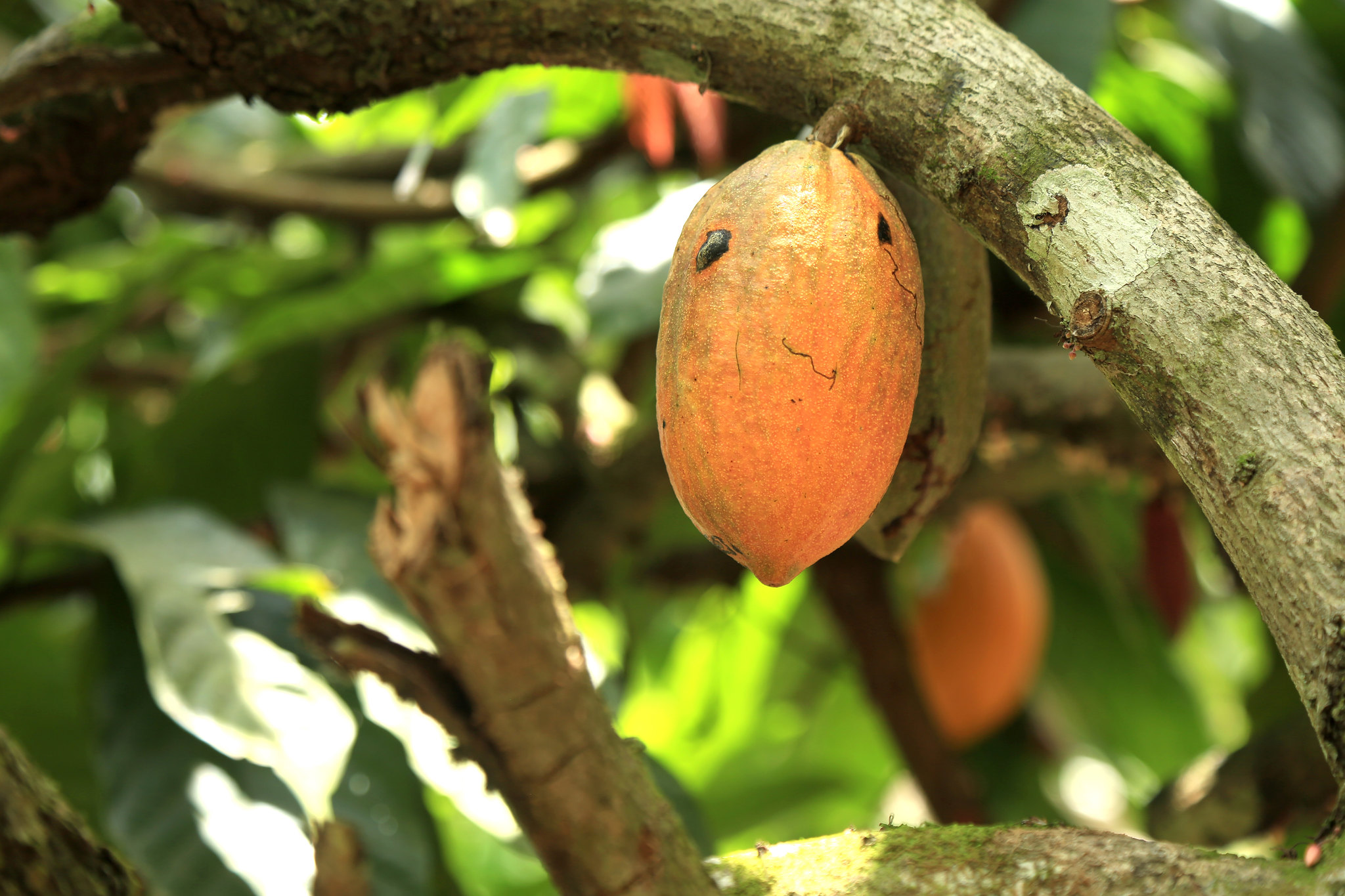
Across Latin America and the Caribbean, cocoa farmers face a hidden challenge: naturally occurring cadmium in the soil. This heavy metal is absorbed by cocoa plants and accumulates in the beans, creating health risks when consumed in excess. Global concerns over cadmium contamination in cocoa and chocolate products threaten market access for thousands of smallholder farmers, putting livelihoods and local economies at risk. To address this challenge, the STDF supported two complementary regional projects that strengthened scientific, technical and institutional capacity to monitor and reduce cadmium levels in cocoa, based on Codex maximum levels for cadmium.
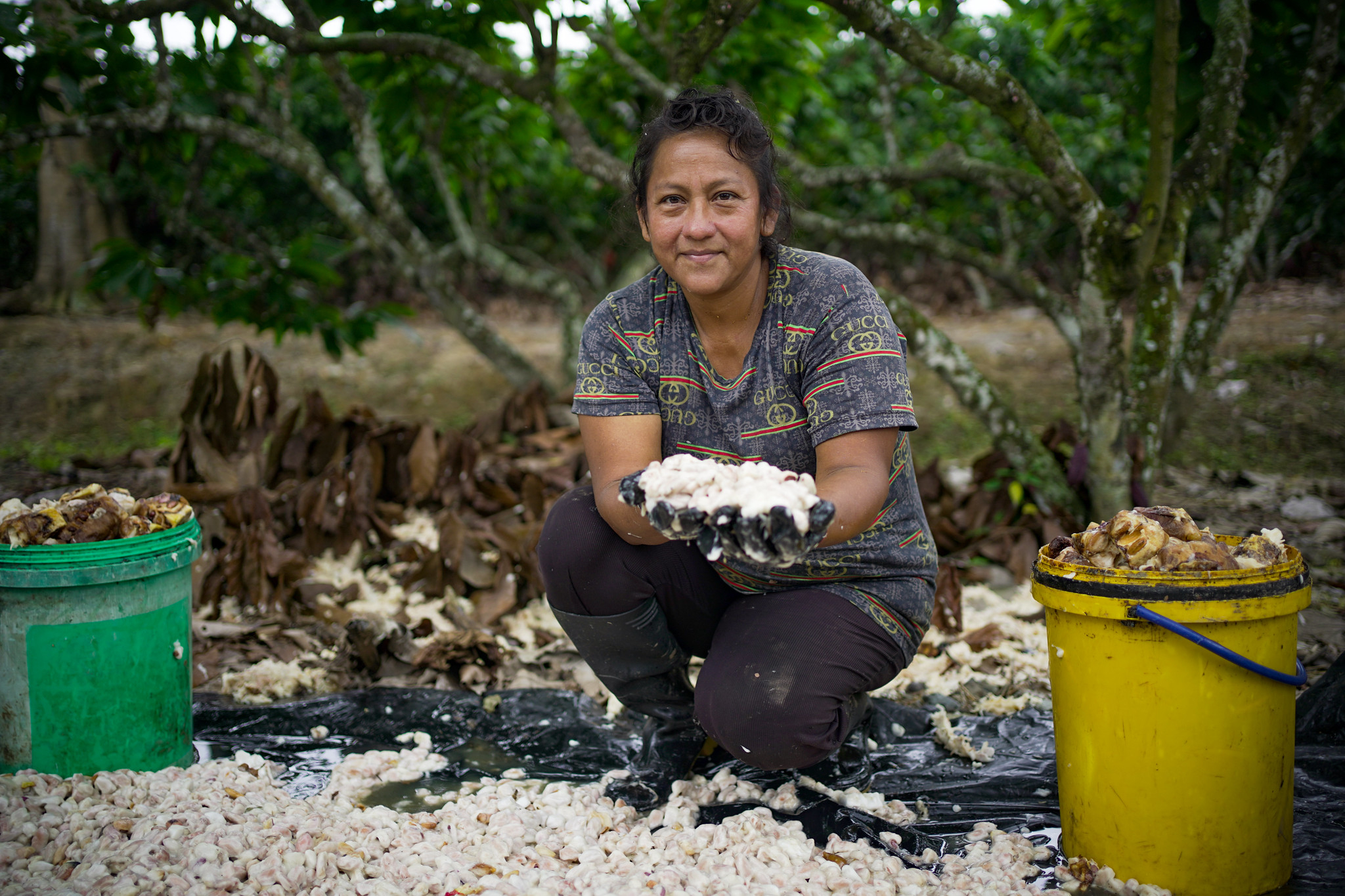
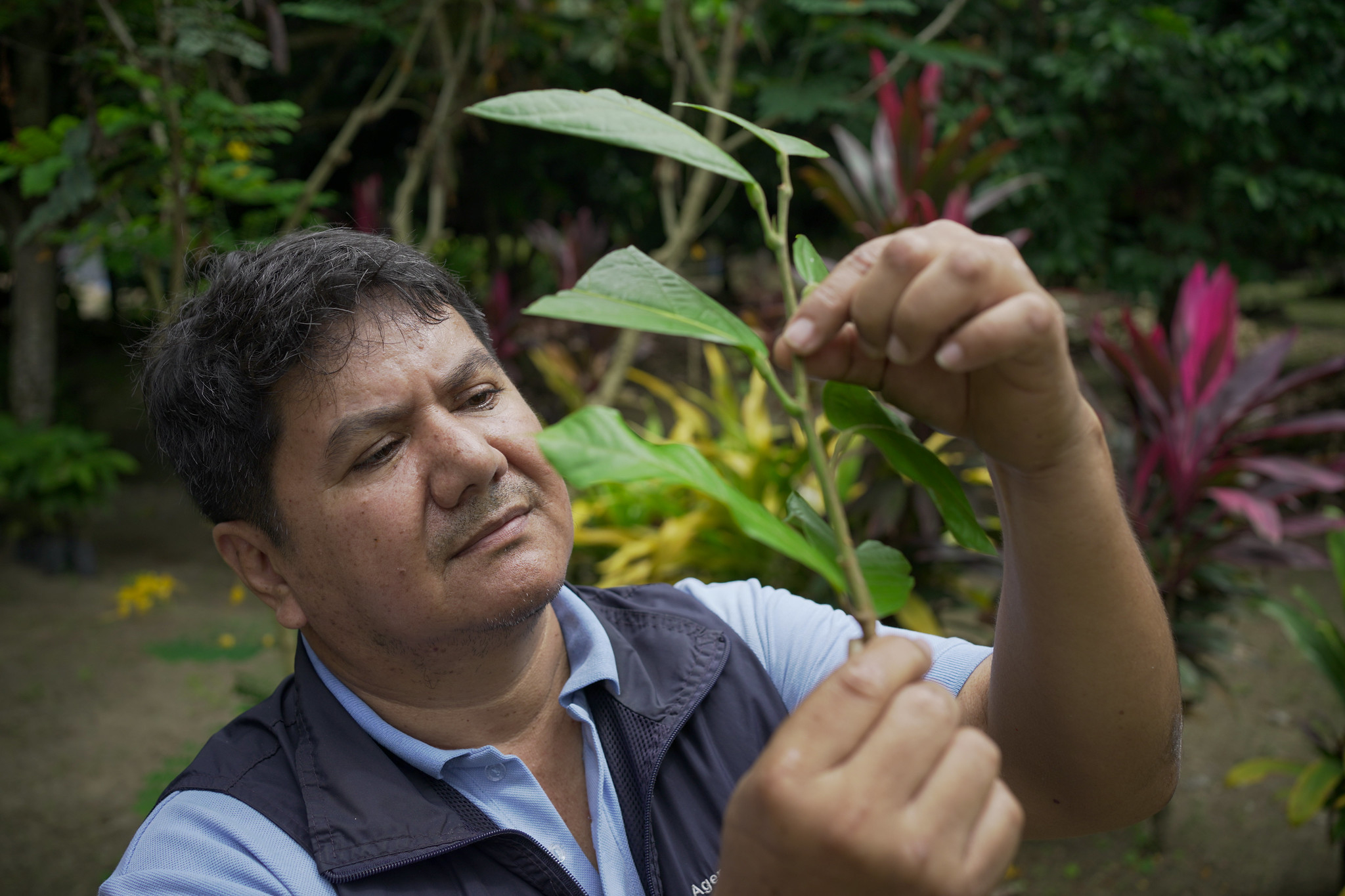
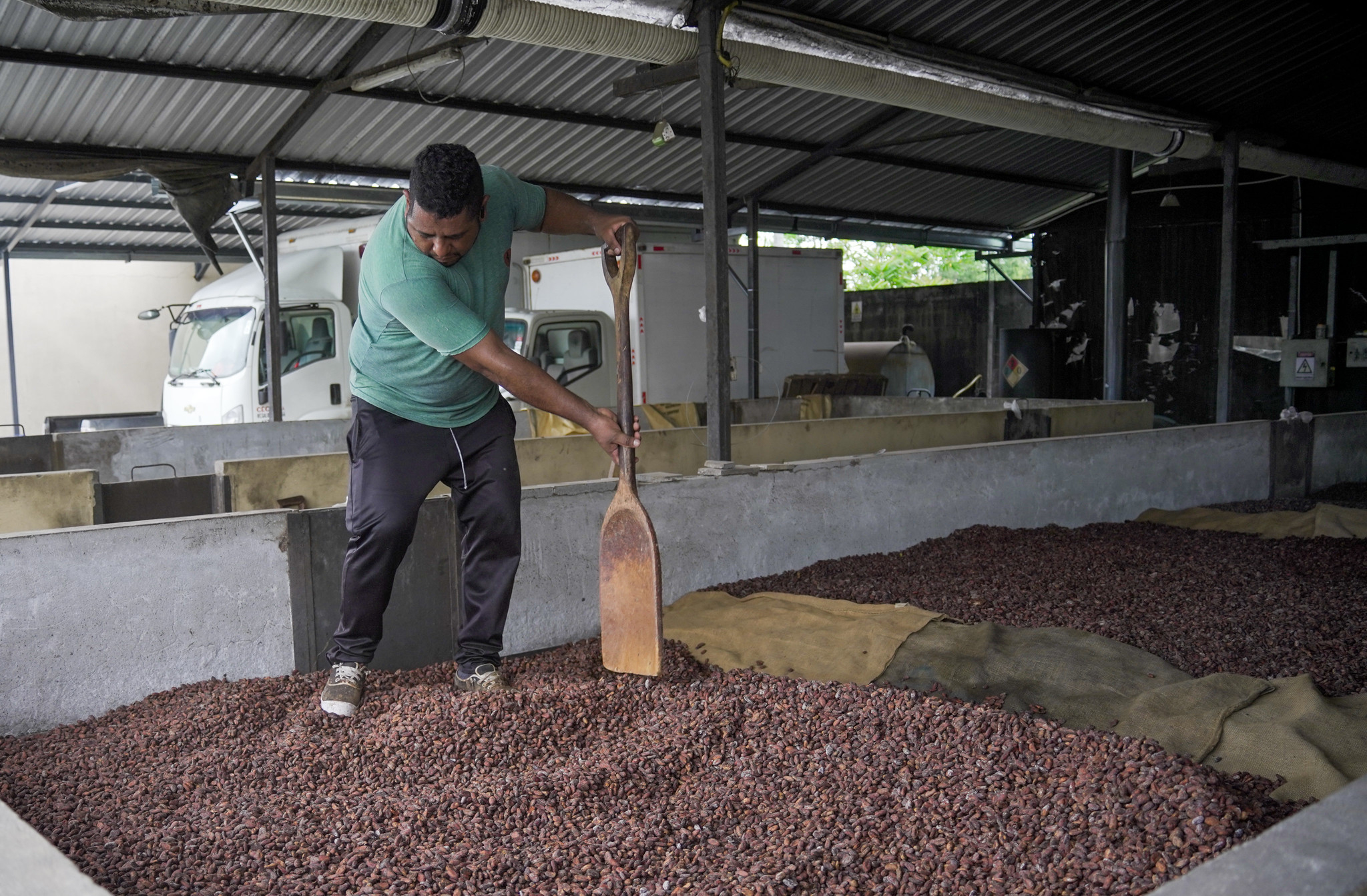
The projects were implemented in Colombia, Ecuador and Peru, with the participation of Trinidad and Tobago, and led by the Inter-American Institute for Cooperation on Agriculture (IICA) and Katholieke Universiteit Leuven (KU Leuven). They piloted innovative and collaborative approaches to improve laboratory testing, mapping and data sharing, and fostered public-private and South-South collaboration, delivering practical solutions to address cadmium challenges, which have been the source of trade concerns raised at the WTO since 2017.
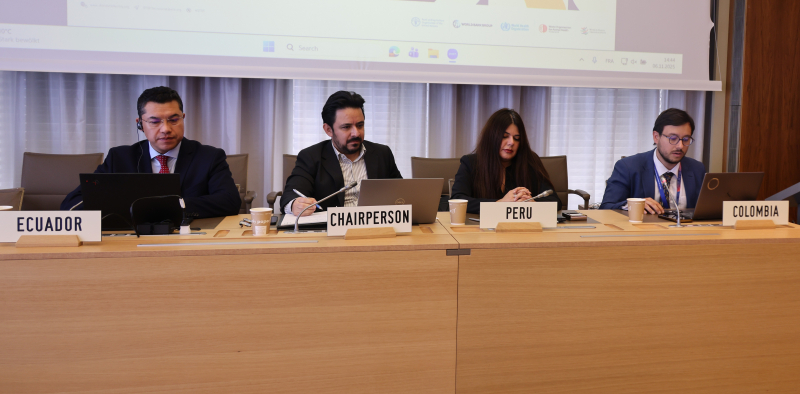
On the margins of the WTO SPS Committee in November 2025, representatives from the project countries joined SPS delegates, researchers and experts at an STDF-hosted dialogue to share lessons and results. The event highlighted how regional cooperation, innovation and learning are helping cocoa producers meet Codex standards while promoting safer, more sustainable trade.
Turning science into shared solutions
External Evaluator Roxane Burstow, who conducted a joint assessment of both projects, highlighted how they advanced alignment and cooperation to address cadmium contamination across the region, and contributed to the development of a Code of Practice for the Prevention and Reduction of Cadmium Contamination in Cocoa Beans, now a Codex reference document for risk management and mitigation strategies.
The evaluation concluded that the projects “successfully reduced cadmium-related trade risks” for cocoa producers in Latin America and the Caribbean. The report emphasized how the projects helped upgrade lab quality systems in 25 national and private laboratories, created and/or updated hotspot maps now used by policymakers and exporters, and piloted X-ray fluorescence (XRF) testing that allows much faster and cheaper cadmium testing, including in the field.
Beyond these achievements, Roxane Burstow stressed that the way countries worked together was central to their success. “Countries didn’t just work in isolation. They created a community of practice, exchanging methodologies, validating laboratory results, and sharing findings openly,” she said. “That’s real South-South collaboration in action.”
Strengthening science–policy linkages
Dr Mirjam Pulleman, Senior Soil Scientist at the Alliance of Bioversity International and CIAT, and leader of the Fostering Climate-Relevant and Low-Cadmium Innovation Project (ClimaLoca), emphasized the importance of connecting scientific research to policy and practice.
“Healthy soils are the foundation of healthy crops. By sharing data and experiences across borders, countries are developing the scientific understanding needed for sustainable solutions.” Mirjam Pulleman
Rommel Betancourt, STDF Developing Country Expert, underlined how improved data generation and collaboration – facilitated through the two STDF regional projects – helped cocoa producing countries contribute more effectively to work under the Codex Committee on Contaminants in Foods (CCCF), a subsidiary body of the Codex Alimentarius Commission (CAC).
“At first, Latin American countries faced limited analytical capacity and challenges in providing reliable data,” he explained. “Through the STDF projects, we strengthened laboratories, learned how to use global data systems and built confidence in our submissions, allowing science to guide decisions and shape international standards.” Rommel Betancourt, AGROCALIDAD, Ecuador
Shared results and mutual learning
Representatives from the Permanent Missions of Ecuador, Colombia and Peru expressed their appreciation for STDF’s role in enabling collaboration and coordination across the region.
“The projects helped us build national systems that are now more robust and aligned with international expectations,” said Luis Oña-Garcés, representing Ecuador, noting that they also created opportunities for regional exchange that strengthened institutional capacity.
“Through this collaboration, we were able to compare data, share challenges and identify best practices. This spirit of cooperation is something we want to continue,” added Gustavo Guarín, representative from Colombia.
Olga Lukashevich from Peru, emphasized how the projects “helped smallholder farmers adopt better soil and fertilizer management practices,” showing how technical knowledge to facilitate safe trade can translate into tangible benefits for rural communities.
From Regional Collaboration to SPS Solutions
By fostering South-South cooperation and linking governments, producers and international partners, the STDF helped countries roll out SPS innovations and regionally coherent strategies. As Rommel Betancourt shared, “STDF allowed us to move faster together than we could have alone.”
Concerns related to the presence of cadmium in cocoa and derived products have been a critical concern within the WTO SPS Committee for several years. During the event, the EU delegate recognized that “cadmium is a very serious issue and challenge, particularly given European consumption patterns and the need to protect vulnerable groups such as children”, and reiterated the EU's commitment to find practical solutions, including through the ClimaLoca and STDF projects.
"These projects built a solid scientific and institutional foundation to address cadmium in cocoa. And it seems, and we are hoping, that they have also created long-lasting value in laboratory competence, data infrastructure, regional coordination, and cooperation that will hopefully continue to benefit the cocoa sector in Latin America and the Caribbean countries, and of course not only there, but all over the world." Zoltan Somogyi, DG-SANTE, European Commission
Looking ahead
Building on the success of these projects, countries are exploring how to scale up these experiences to other crops and regions. The evidence generated through the STDF evaluation will also inform Codex discussions and guide future interventions on heavy metal contaminants in food.
Closing the event, participants agreed that the lessons learned extend beyond cocoa. They demonstrate how targeted, collaborative investments can drive safer trade, protect public health and open market opportunities, particularly for small-scale producers. They also illustrate how STDF’s work supports the implementation of Codex standards and the WTO SPS Agreement, helping developing countries participate more effectively in global trade.
Learn more:
- STDF end of project evaluation report by Roxane Burstow (Sep. 2025)
- Coordinating management of cadmium levels in cocoa in Latin America and the Caribbean (PG/577)
- Mitigating high levels of cadmium in cacao in Colombia and Ecuador (PG/681)
- Addressing cadmium challenges in cocoa trade: Insights and Lessons from two STDF projects in Latin America and the Caribbean - STDF hybrid event during the WTO SPS Committee Week
- Mainstreaming Scaling: A Case Study of the Standards Trade and Development Facility