The PPG will support a comprehensive assessment of the SPS requirements for the export of stingless bee honey from Peru and Bolivia to regulated international markets. It will evaluate the SPS and quality-related constraints affecting the production, processing, certification and commercialization of stingless bee products, assess the applicability of existing regulatory frameworks to this distinct product, and identify the regulatory, technical and institutional gaps that may limit compliance with export requirements. Based on these findings, the PPG will identify priority actions and institutional needs and develop of a project proposal to strengthen regulatory frameworks, laboratory and testing capacities, sanitary protocols, and certification systems adapted to stingless bee products. Addressing these gaps will be essential to support the sustainable growth of meliponiculture and improve access to domestic and international markets.
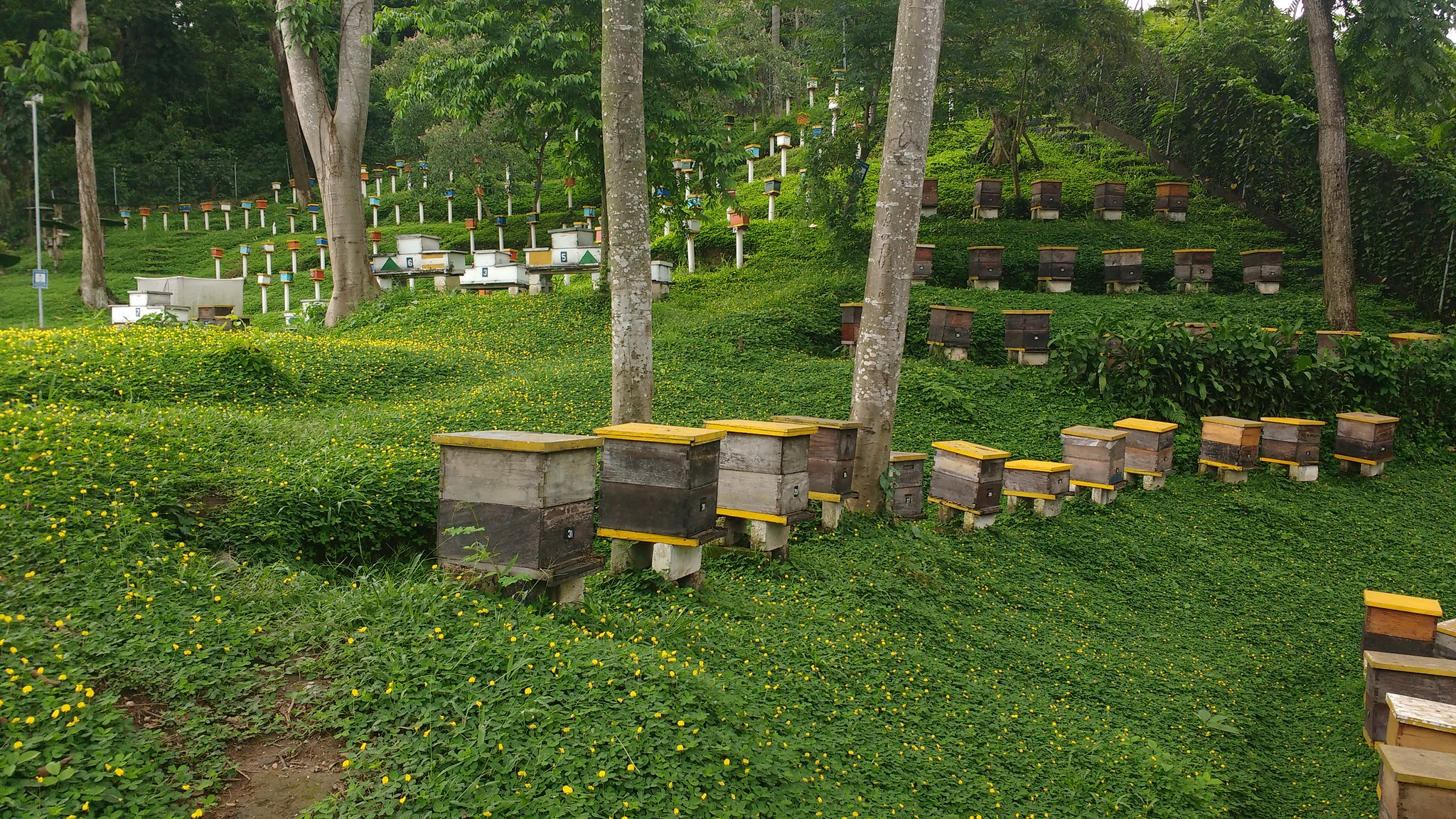
Meliponiculture is the technical management of native stingless bees (Meliponini) for the production of honey, propolis, pollen and other hive products, while also supporting pollination and biodiversity conservation. It is widely practiced across tropical and subtropical regions, including Latin America. Peru and Bolivia are particularly rich in stingless bee diversity, with about 175 and 121 reported species respectively, and meliponiculture provides growing livelihood opportunities for communities across the Amazon region.
The sector has significant economic potential. Stingless bee honey production could support between 266 and 2,660 producers in Peru and between 110 and 1,100 in Bolivia, with annual gross production values estimated at up to US$21.6 million and US$8.9 million respectively.
A key SPS challenge is that stingless bee honey differs naturally from conventional honey produced by the western honeybee (Apis mellifera) in its moisture content, sugar composition and other physicochemical characteristics. Because existing regulations are largely based on standards developed for Apis mellifera honey, uncertainty remains regarding compliance requirements for stingless bee honey. Additional constraints include the lack of validated sanitary protocols, traceability systems, transport standards, biosecurity measures, and food safety risk assessments tailored to stingless bee production. Laboratory methods have also not been formally evaluated for their suitability or alignment with international certification requirements.