Al amanecer, en campos, mercados y centros de elaboración de todo el mundo, muchas mujeres comienzan su día. Cosechan cultivos, clasifican y desecan productos agrícolas, los elaboran y los preparan para su venta. Su trabajo mantiene a las economías locales y suministra alimentos a los mercados cercanos y lejanos.
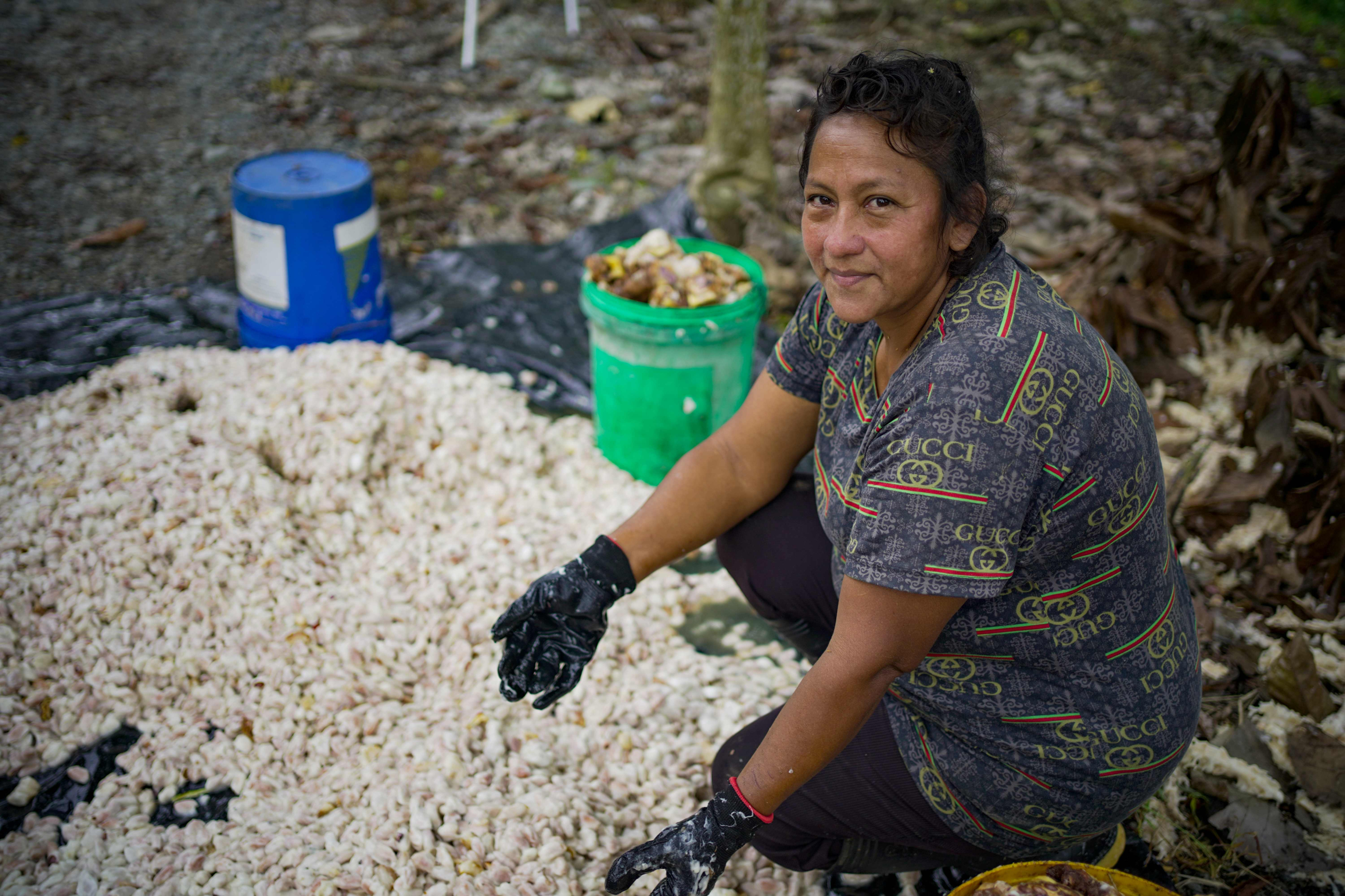
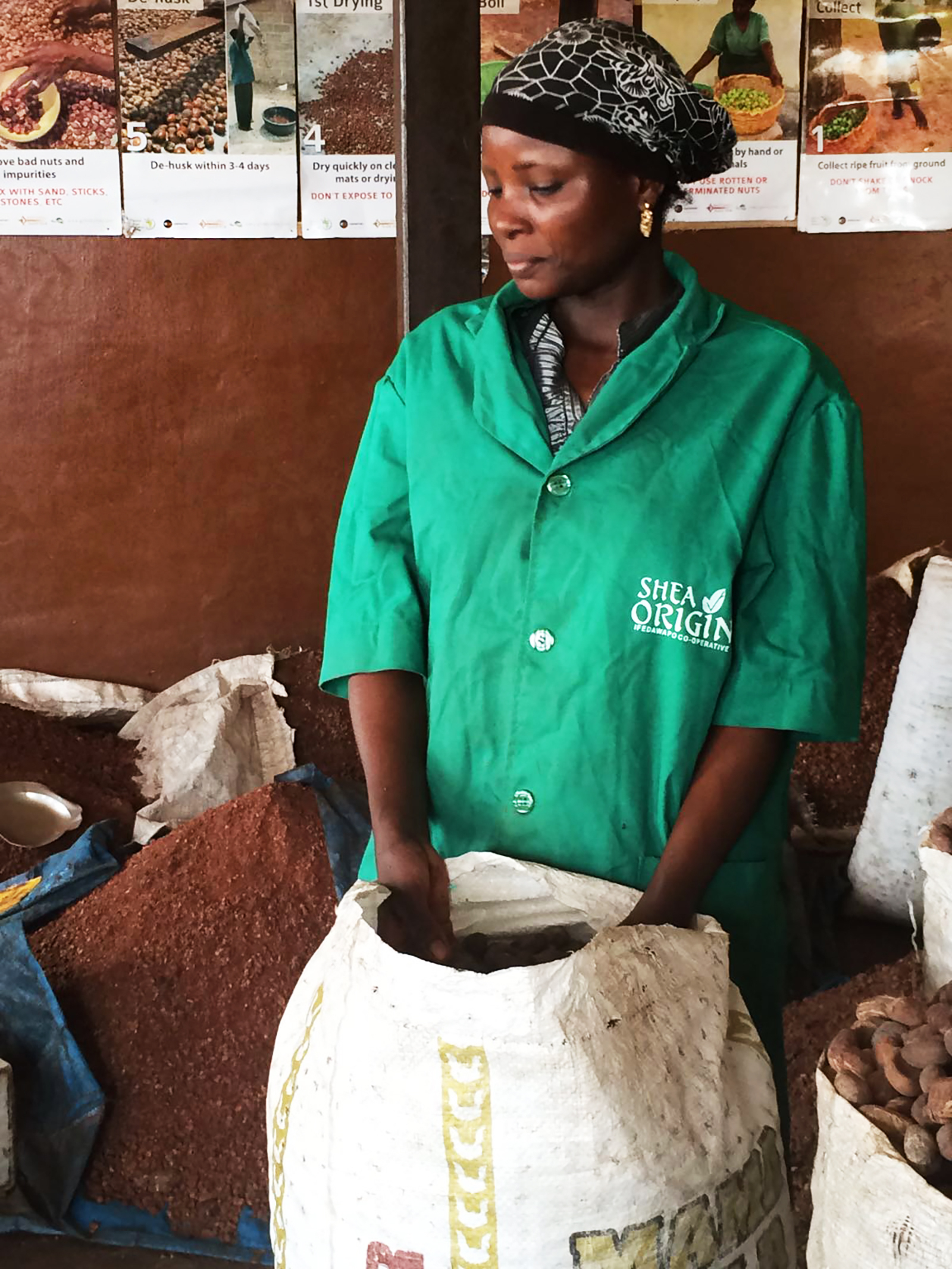
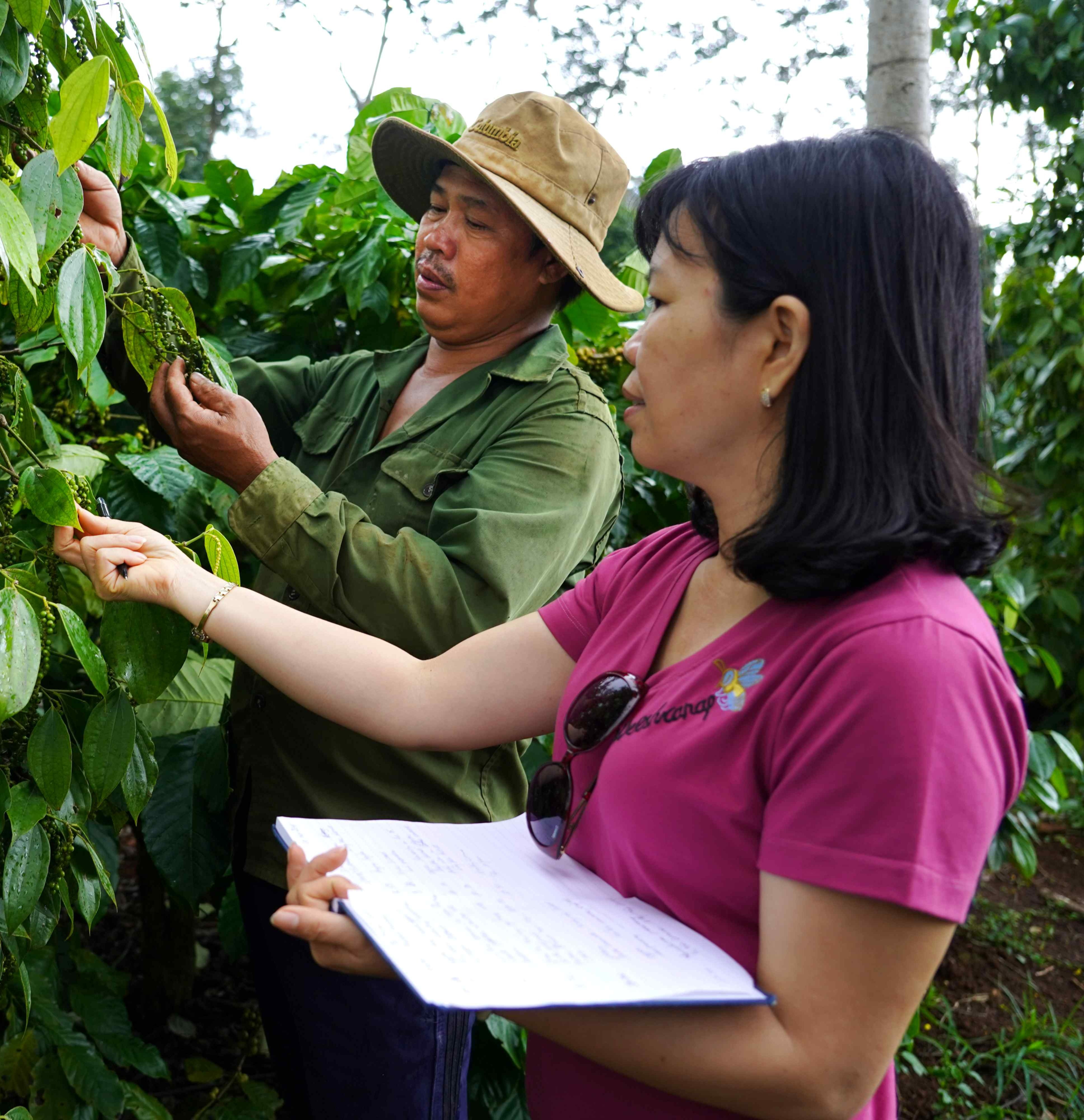
Desde las cooperativas de manteca de karité de África Occidental hasta las plantaciones de especias de Asia, las regiones productoras de cacao de América Latina y las rutas comerciales transfronterizas que llevan esos productos al mercado, las mujeres ocupan un lugar central en el comercio agroalimentario. No obstante, el acceso a los mercados regionales e internacionales depende de la capacidad para cumplir las normas de inocuidad de los alimentos y de sanidad animal y vegetal.
Las medidas sanitarias y fitosanitarias, concebidas para proteger a los consumidores, salvaguardar la sanidad vegetal y animal y generar confianza en los mercados mundiales, suelen considerarse medidas técnicas que se supone que afectan a todos los actores por igual. En la práctica, rara vez es así. Confluyen con desigualdades existentes, de manera que pueden hacer que su cumplimiento resulte más difícil para las mujeres y otros grupos vulnerables. El acceso limitado a la información, la formación, la financiación y los sistemas de apoyo, sumado a las operaciones a menor escala y a un poder de decisión reducido, puede afectar a su capacidad para cumplir estas prescripciones sanitarias y fitosanitarias.
Esta circunstancia determina, a su vez, quién puede beneficiarse de las nuevas oportunidades de mercado.
"La desigualdad de género no es solo una cuestión socioeconómica. También es un factor de riesgo para los sistemas sanitarios y fitosanitarios. Un sistema sanitario y fitosanitario que no es inclusivo es menos eficaz, menos resiliente y menos creíble".
Excma. Sra. Sabine Bakyono Kanzie, Embajadora y Representante Permanente de Burkina Faso en Ginebra
Poner en práctica el compromiso
Abordar estos desafíos es ahora fundamental para los esfuerzos destinados a reforzar los sistemas sanitarios y fitosanitarios y facilitar un comercio seguro.
El Fondo para la Aplicación de Normas y el Fomento del Comercio (STDF), a través de su asociación mundial, apoya la capacidad de los países en desarrollo para cumplir las prescripciones internacionales sobre inocuidad de los alimentos y sanidad animal y vegetal. Esto implica, cada vez más, ver cómo funcionan estos sistemas en la práctica y garantizar que sean inclusivos y accesibles para todas las personas que participan en el comercio.
El Plan de Acción sobre Cuestiones de Género del STDF traduce esta ambición en un enfoque más estructurado. Se centra en reforzar la capacidad de las mujeres para cumplir las prescripciones sanitarias y fitosanitarias, fomentando una integración más sistemática de consideraciones sobre equidad e inclusión en el conjunto de esfuerzos de desarrollo de la capacidad en el ámbito sanitario y fitosanitario.
En la práctica, esto supone prestar más atención a quién se beneficia de las intervenciones sanitarias y fitosanitarias y cómo se beneficia de ellas. Se alienta a identificar en los proyectos los desafíos concretos a los que se enfrentan las mujeres desde el principio, integrar medidas específicas cuando sea necesario y hacer un seguimiento de los progresos utilizando datos desagregados. También se pide una mayor sensibilización, intercambio de conocimientos y colaboración entre las instituciones y los asociados para incorporar la igualdad de oportunidades en el proceso de elaboración, aplicación y mejora de los sistemas sanitarios y fitosanitarios con el tiempo.
Dónde se hace realidad
En las distintas regiones, los proyectos que reciben apoyo del STDF están poniendo en práctica estos principios, demostrando que los enfoques más inclusivos pueden reforzar el cumplimiento de las normas sanitarias y fitosanitarias internacionales, ampliando al mismo tiempo las oportunidades comerciales para las mujeres y otros grupos vulnerables.
En Nigeria, la historia comienza en los centros de elaboración, donde las mujeres llevan mucho tiempo ocupando un lugar central en las cadenas de valor del karité y el sésamo. Sin embargo, durante muchos años, el poco acceso a la formación, los equipos modernos y los sistemas de gestión de la calidad limitaron su capacidad para cumplir las normas internacionales. En el marco de un proyecto con apoyo del STDF aplicado por el Centro de Comercio Internacional (ITC), en colaboración con el Consejo de Promoción de las Exportaciones de Nigeria, se impartió formación sobre prácticas de inocuidad de los alimentos y gestión de la calidad a más de 1.000 mujeres encargadas de la elaboración, mientras que las instalaciones de elaboración nuevas y modernizadas, junto con los sistemas de trazabilidad mejorados, ayudaron a elevar la calidad, trazabilidad e inocuidad de los productos. En consecuencia, las cooperativas dirigidas por mujeres han podido obtener la certificación, acceder a compradores internacionales y aumentar sus ingresos, abriendo así la puerta a mercados que antes estaban fuera de su alcance.
"Cuando llegó el STDF, no teníamos un enfoque favorable al mercado. Nuestra manteca de karité no era favorable al mercado. No podíamos ir más allá de ese espacio. Hoy podemos decir que nuestros productos pueden estar en cualquier tienda del mundo".
Mobola Saoge, fundadora de Shea Origin Ltd. (Nigeria)
En el Senegal, el cambio empezó entre bastidores. En el marco de un proyecto financiado por el STDF, dirigido por el COLEAD con la Organización Nacional de Protección Fitosanitaria (Dirección de Protección de los Vegetales), se fijó el objetivo de reforzar los controles fitosanitarios para la cadena de valor hortícola, examinando más detenidamente a quién abastece. Un análisis inicial reveló la existencia de lagunas en la representación de las mujeres y el apoyo que recibían a lo largo de la cadena de valor hortícola, y contribuyó a la revisión de la legislación fitosanitaria, en particular la integración de disposiciones para promover la igualdad de oportunidades. Desde entonces, grupos de mujeres participan en las consultas, los procesos de adopción de decisiones y la gobernanza del proyecto. Sus perspectivas están configurando las políticas y los esfuerzos de creación de capacidad de un modo que refleja mejor las realidades sobre el terreno. Esto está ayudando a crear una cadena de valor hortícola más inclusiva, donde las políticas, las prácticas y las oportunidades reflejan mejor las realidades de quienes son el motor del sector.
En África Meridional, el comercio transfronterizo de productos agroalimentarios en pequeña escala es vital para millones de personas, sobre todo mujeres. En Malawi, Tanzanía y Zambia, ellas constituyen la mayor parte de estos comerciantes; mueven mercancías a través de las fronteras, mantienen a sus familias y sostienen a las economías locales. Sin embargo, su trabajo sigue siendo a menudo informal, y los obstáculos a los que se enfrentan —desde el acceso limitado a la información y la formación hasta los costos y la complejidad del cumplimiento— pueden hacer que cumplir las prescripciones sanitarias y fitosanitarias resulte especialmente difícil. A fin de comprender y abordar mejor estos obstáculos, un proyecto del STDF, aplicado por CABI junto con asociaciones locales de comerciantes transfronterizos, está examinando más detenidamente estas realidades. Mediante la realización de una encuesta a gran escala y consultas con diversas partes interesadas, se están identificando los desafíos específicos a los que se enfrentan las mujeres comerciantes en el ámbito sanitario y fitosanitario para cumplir las normas internacionales, así como las razones por las que muchas siguen llevando a cabo su actividad a través de canales informales. Uno de los principales desafíos es la forma en que se comunican las prescripciones y en que se accede a ellas en la práctica:
"Cuando llegamos a la frontera, nos topamos con formularios que hay que rellenar, muchas veces en un idioma que no entendemos. La información debe compartirse con las mujeres comerciantes de manera que la puedan entender, en particular en los idiomas locales, para que puedan cumplir las prescripciones".
Christine Phiri Sikombe, Secretaria General de la Asociación de Comerciantes Transfronterizos de Zambia
En las altas colinas de Nepal, el cultivo de jengibre es desde hace mucho tiempo el medio de subsistencia de muchas mujeres, siendo en muchos casos uno de los pocos cultivos viables en unas condiciones difíciles. Los esfuerzos realizados para fortalecer la inocuidad de los alimentos y la sanidad vegetal han ayudado a transformar la cadena de valor del jengibre. Un proyecto del STDF, cofinanciado por el Marco Integrado mejorado y aplicado por la Organización de las Naciones Unidas para la Alimentación y la Agricultura, mejoró las prácticas de la explotación al mercado. Se formó a casi 2.000 agricultores, la mayoría mujeres, en buenas prácticas agrícolas, gestión de plagas y manipulación poscosecha, y las nuevas instalaciones de lavado mejoraron la calidad de los productos y redujeron las pérdidas. Gracias a ello, las pérdidas poscosecha disminuyeron en torno al 30%, los ingresos aumentaron más del 60% en algunos casos, las instalaciones de elaboración mejoradas contribuyen ahora al mantenimiento de unos 8.000 hogares y se ha abierto el acceso a los mercados regionales. El papel de las cooperativas dirigidas por mujeres se ha reforzado a lo largo de toda la cadena de valor, transformando un cultivo de subsistencia en una fuente de ingresos más fiable y rentable.
Replicar a escala lo que funciona
Estas experiencias muestran que los enfoques más inclusivos dan resultados más sólidos en materia sanitaria y fitosanitaria que son duraderos y benefician a los hombres y a las mujeres.
De todos los proyectos que reciben apoyo del STDF se desprende un mensaje recurrente: cuando los proyectos comienzan con un análisis de la inclusión, tienen en cuenta las realidades sociales y económicas, se adaptan a las necesidades específicas y aseguran la participación de las mujeres en la adopción de decisiones, pueden lograr mejores resultados en materia de cumplimiento y acceso a los mercados.
El desafío actual consiste en replicar a escala estos enfoques y aplicarlos de manera más coherente. A medida que la demanda de un comercio seguro sigue creciendo, los sistemas sanitarios y fitosanitarios más inclusivos serán fundamentales para que una gama más amplia de productores, elaboradores y comerciantes puedan cumplir las normas internacionales y aprovechar las nuevas oportunidades sin que nadie quede rezagado.
El STDF, un elemento catalizador reconocido en este ámbito, ha ayudado a identificar, probar y promover enfoques prácticos para desarrollar una capacidad sanitaria y fitosanitaria más inclusiva. Su labor ha servido de referencia y ha influido en una amplia gama de asociados —entre ellos, CABI, el COLEAD y la Convención Internacional de Protección Fitosanitaria—, apoyando el desarrollo de herramientas, orientación y enfoques de creación de capacidad más inclusivos, que ahora se están aplicando y replicando a escala de manera más amplia en los sistemas sanitarios y fitosanitarios.
Al fin y al cabo, el cumplimiento de las normas sanitarias y fitosanitarias abre las puertas a los mercados internacionales, pero solo si todos tienen las mismas oportunidades de cruzarlas.