How STDF projects tested innovations based on biopesticides to reduce pesticide residues and facilitate safe trade

Pesticides are a flashpoint in global conversations about food production, health protection and the movement of goods across borders. Farmers worldwide rely on them to protect crops against pests and increase yields, which is essential for livelihoods and food security. Yet, pesticides can also cause trade issues for agri-food exports, particularly for farmers in developing countries.
When applied incorrectly, pesticides can leave behind residues that exceed Maximum Residue Limits (MRLs), leading to export rejections, damaged trade reputations and reduced earnings for farmers. Biopesticides can play an important role in reducing residues and supporting compliance with MRLs. Derived from natural sources, they typically don’t leave residues and are sometimes exempt from MRL requirements in importing countries. Still, many farmers struggle to adopt them due to limited awareness and the absence of clear regulations, as well as cost and market availability.
To address these challenges, the Standards and Trade Development Facility (STDF) supported three regional projects that explored innovative evidence-based ways to integrate biopesticides into existing production systems and help farmers meet international requirements and access markets safely. The projects, implemented in Southern Africa, Asia and Latin America, demonstrated practical solutions to harmonize biopesticides regulations at the regional level, showing how innovative strategic approaches can yield significant trade benefits.
Regulatory Innovations in Southern Africa
The project in Africa, led by the International Centre for Genetic Engineering and Biotechnology (ICGEB), piloted a pragmatic strategy: applying conventional pesticides early in the growing season and switching to biopesticides at the end, when residues from earlier applications naturally decline. This approach effectively maintained pest control, while reducing residue levels in line with international standards.
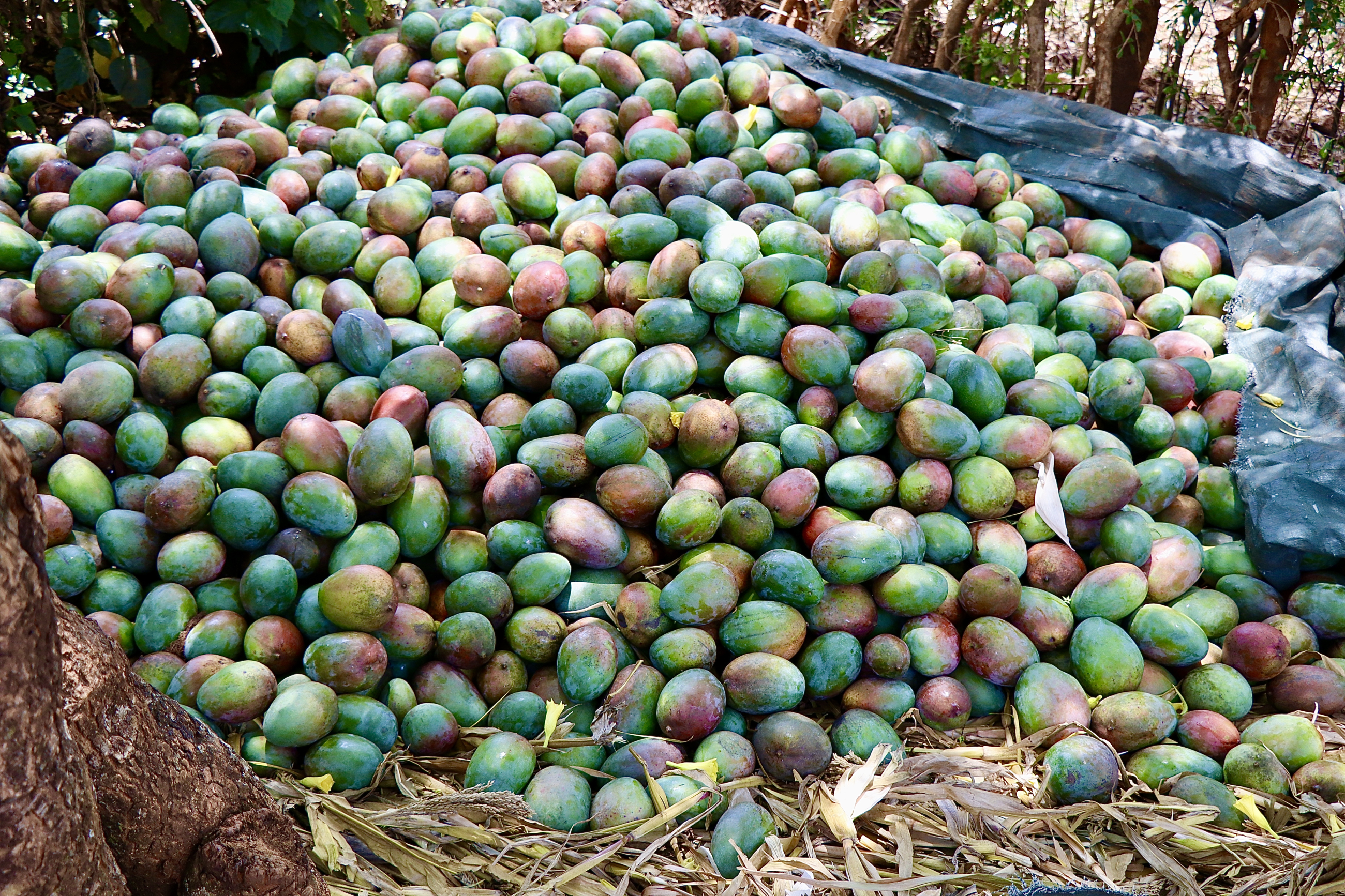
Field studies in Kenya (which joined the project) and Tanzania provided the evidence needed to assess the outcomes and potential for broader adoption. In Kenya, trials on mango farms used neem oil, a naturally derived biopesticide, instead of a final treatment with carbendazim, a chemical that is widely used in many developing countries to control crop diseases but is banned in the European Union due to concerns around its potential risks on human health and the environment.
The results were striking: neem oil effectively controlled late-season pests, allowing time for earlier residues to drop before export. In Tanzania, avocado farmers substituted a biological control agent to target false codling moth, in place of the usual late-season application of methoxyfenozide, which is also subject to strict monitoring and residue limits in many countries.
These field trials laid the foundation for the Biopesticide-Based Residue Mitigation (BBRM) system, a practical, farmer-friendly approach that helps maintain pest control while keeping residues within safe limits. While the concept of using biopesticides is not new, the project’s innovation lay in demonstrating how this targeted combination of conventional and biological methods could work in practice, and be scaled across the region to facilitate trade.

Regulatory Innovations to Enable Wider Adoption
Beyond the field, the project tackled regulatory barriers hindering the uptake of biopesticides. It worked with six SADC countries to develop harmonized guidelines for biopesticide registration based on the reciprocal acceptance of data, an innovation which ensures efficiencies and cost-savings. The resulting Harmonized Guidelines for the Registration of Biopesticide Products and Biological Control Agents in Southern Africa were subsequently endorsed by the SADC Council of Ministers, extending their application to all 16 member states.
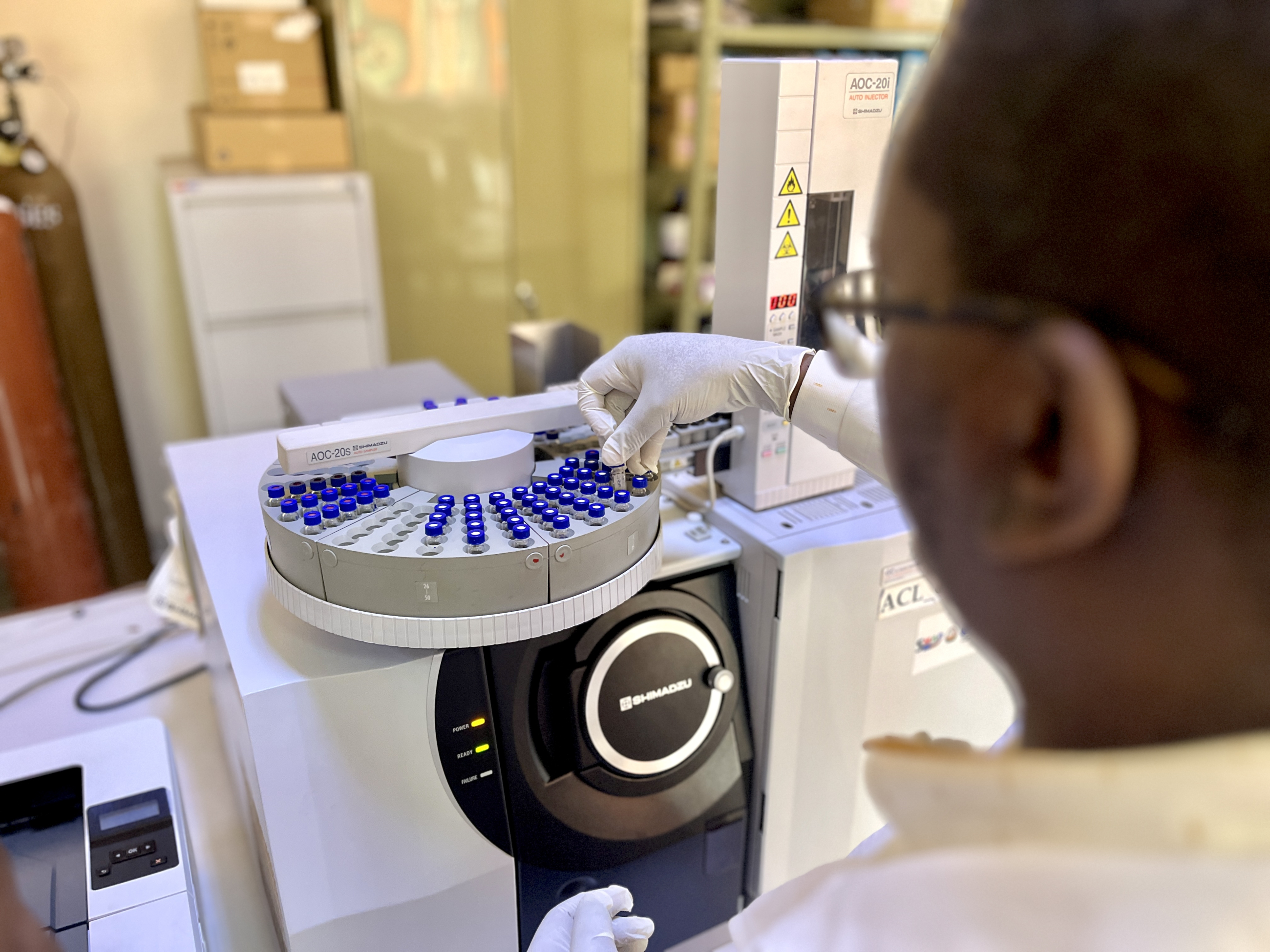
Residue analyses confirmed that switching to a biological control product late in the season significantly lowered chemical residues, improving compliance with the MRLs set by import markets such as the EU, US and Japan.

This outcome marked a major step forward for regulatory cooperation in the region, creating a more predictable environment for industry and enabling farmers to access safer, approved pest management tools. It also demonstrated how regional collaboration and innovation can turn scientific evidence into policy change and regulatory frameworks that facilitate safe trade.
What began as targeted field trials in Kenya and Tanzania, evolved into a regionally coordinated framework for safer, more sustainable pest management and trade facilitation. By linking evidence from the field to regulatory reform and capacity building, the project shows how practical, collaborative innovation, can transform agricultural practices, reduce trade risks and open new pathways for safe trade.
Fast Facts
- Up to 50% reduction in pesticide residues in mangoes, helping farmers meet export standards more consistently.
- Harmonized regional guidelines adopted by SADC, now covering 16 member states.
- Over 500 participants engaged, including farmers, scientists and regulators.
- The project contributed data on 166 registered biopesticides available on CABI’s Bioprotection Portal, helping farmers access accurate information.
- Technical roadmaps developed to support national implementation of harmonized regulations.
- Knowledge products including a Good Agricultural Practice (GAP) guide, Integrated Pest Management (IPM) toolkit and BBRM system guide are supporting wider adoption.
- Results are informing efforts on the development of continental guidelines led by the African Union’s Inter-African Phytosanitary Council (AU-IAPSC), involving over 20 African countries and partners.
Lessons
- Integrated Pest Management Promotes Safety: Combining conventional and biological control methods reduces residues, supporting safer food systems and facilitating trade.
- Capacity Building Sustains Results: Training local experts ensures lasting adoption of biopesticide practices and regulatory reforms.
- Regional Collaboration Accelerates Impact: Shared guidelines and mutual data recognition make regulatory systems more efficient and consistent.
- Evidence Drives Policy: Field-based results gave regulators confidence to act, demonstrating how applied science can inform regional and continental change.
- Knowledge Sharing Encourages Uptake: Practical tools and shared learning helped translate technical outcomes into farmer-level action.