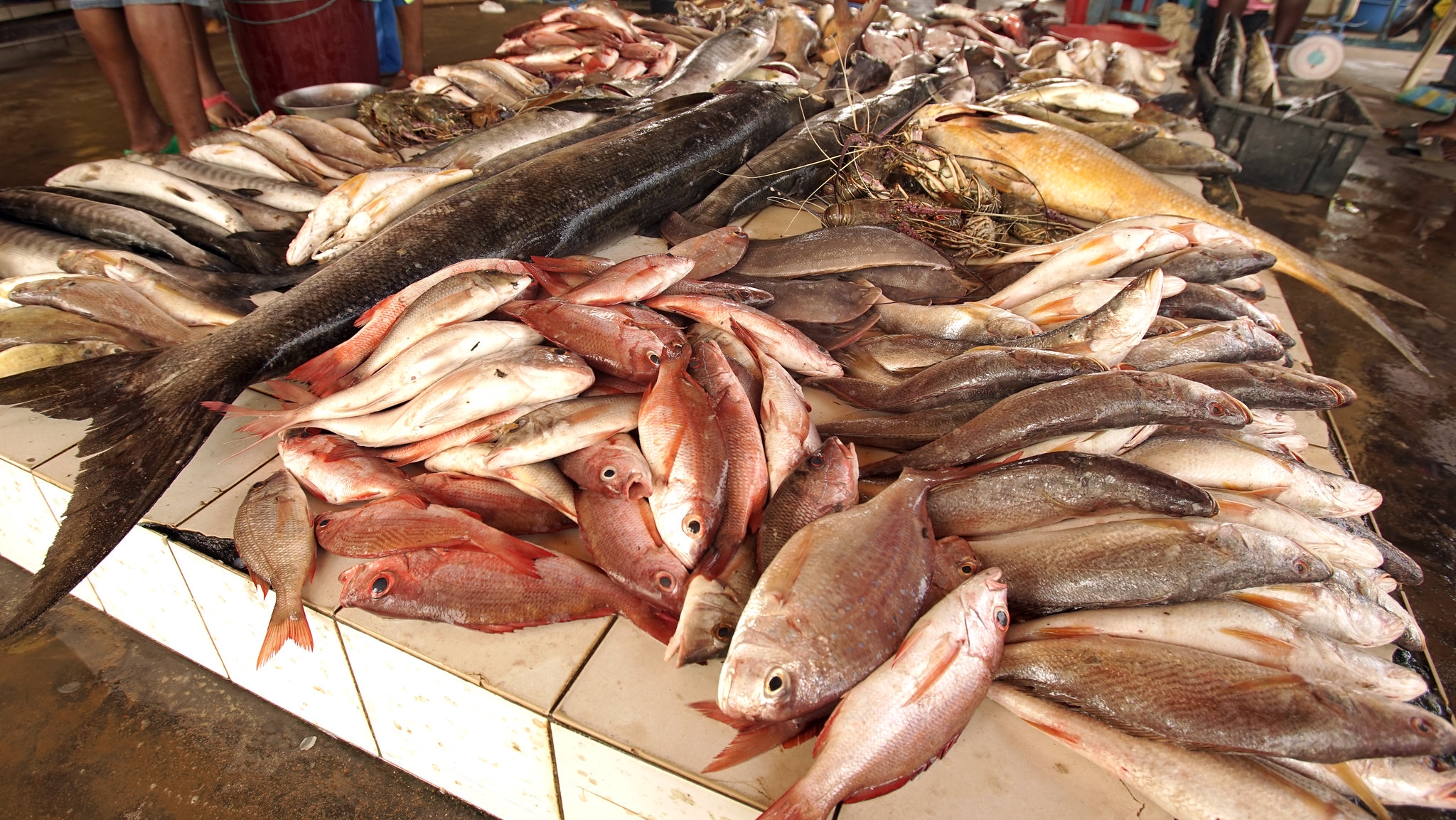
This project aims to strengthen the tuna fishing industries of Indonesia and Malaysia by improving handling, hygiene, and cold-chain practices across the one-by-one tuna value chains. It will enhance SPS capacity among value chain stakeholders, upgrade minor infrastructure at fisher, aggregator, and government levels, and support climate adaptation measures to build resilience. Implementation will begin in priority locations in both countries, with potential for regional scaling over time.
Indonesia and Malaysia are key players in the ASEAN tuna fishing industry, with Indonesia being a major supplier of fresh, frozen, and canned tuna to international markets, while Malaysia mainly exports frozen tuna loins. However, both countries face significant SPS challenges that constrain their ability to scale up exports from small-scale, one-by-one fisheries, such as pole and line and handline methods. These methods, which use a single hook and line to catch one fish at a time, are widely practiced throughout Indonesia and Malaysia. These fisheries are widely regarded as the lowest environmental impact fishing method, with minimal bycatch or adverse habitat interactions. These fisheries are also considered to be more socially responsible than industrial fishing methods, with high rates of boat ownership and lower barriers to entry. According to some estimates, one-by-one fisheries can support up to 55 times more livelihood opportunities per tonne of tuna caught than industrial fishing methods.
One-by-one fisheries are disproportionately affected by weak fish handling practices, inadequate cold chain infrastructure, and limited regulatory oversight. Between 2010 and 2020, Indonesia experienced hundreds of export rejections due to salmonella, filth, temperature control issues, and histamine levels. Moreover, post-harvest losses of up to 40% have been reported in small-scale operations due to poor handling, processing, storage, and distribution, reducing competitiveness and increasing food waste.
This project derives from a PPG which began in April 2023 and was implemented by the International Pole and Line Foundation (IPNLF), a non-profit organization that supports sustainable tuna fisheries by promoting pole-and-line and handline fishing methods that benefit coastal communities and marine ecosystems. The PPG conducted field assessments, histamine testing, and consultations at multiple locations. These assessments revealed critical weaknesses in the cold chain, hygiene practices, and vessel design, especially in remote communities where access to training and testing facilities is limited. Additionally, stakeholder consultations confirmed strong interest from fish processors and exporters in improving the supply chain to meet international food safety standards.