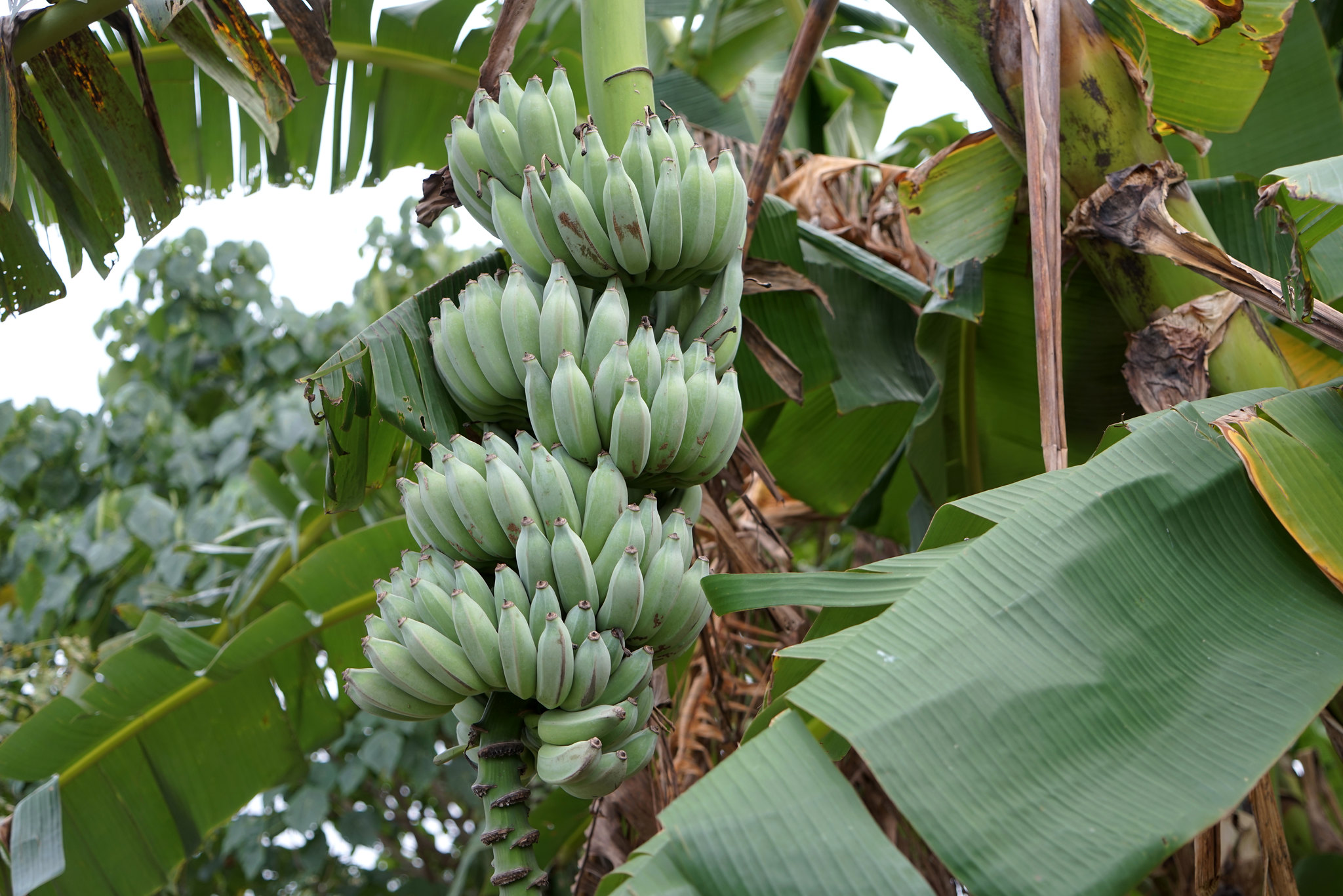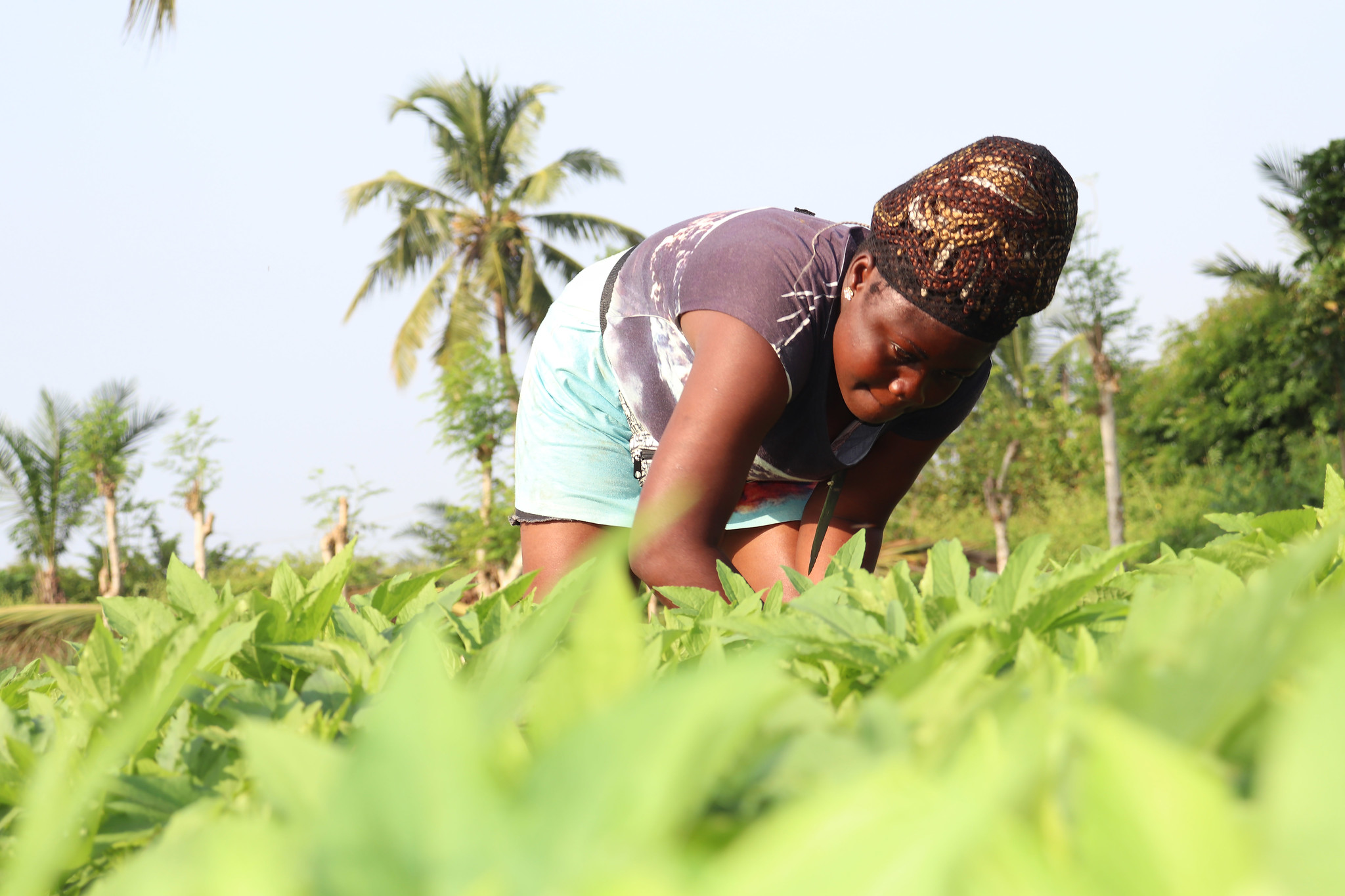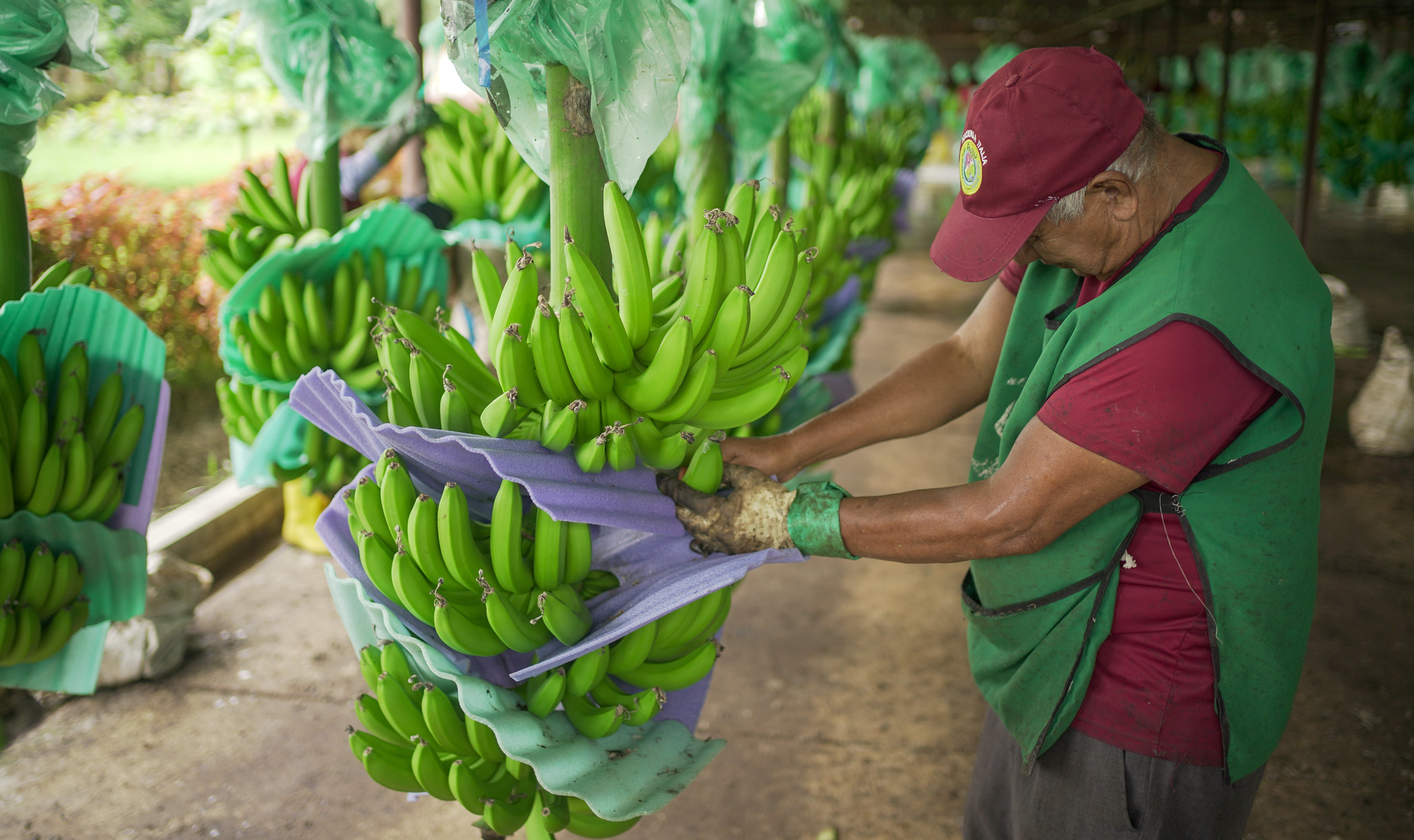
This Project Preparation Grant (PPG) aims to design a project to strengthen phytosanitary surveillance, traceability and response systems in the banana and plantain sector in Bolivia, Colombia, Ecuador and Peru. By assessing and developing digital solutions, including tools to improve planting material traceability, support farmer awareness and enable early disease detection, the PPG will strengthen NPPO and producer capacity for monitoring and decision-making. Based on these findings, the PPG is expected to inform a targeted project proposal to help safeguard productivity, protect export markets and sustain producer incomes.
Bananas and plantains are among the world’s most important food crops, supporting food security, rural livelihoods and export revenues. While only around 16% of global production enters international trade, the remaining 84% is consumed locally, making it a key source of nutrition and income for millions. In Latin America and the Caribbean, several countries rank among the world’s leading exporters, with Ecuador the largest exporter of conventional and organic bananas and Peru the third-largest exporter of organic bananas.
Despite its economic and social importance, the sector faces significant phytosanitary challenges that threaten productivity, trade and incomes. Highly destructive banana diseases, including Fusarium tropical race 4 (Foc TR4), Black Sigatoka and Moko, can spread rapidly and cause severe yield losses that are difficult to reverse. In Peru, around 1,500 hectares are affected by Foc TR4, while in Ecuador more than 3,200 hectares have been destroyed by Moko, reducing export volumes and threatening producer incomes.
Weak traceability of planting material limited early detection of outbreaks and capacity constraints within National Plant Protection Organizations further heighten the risk of disease spread and market disruptions.