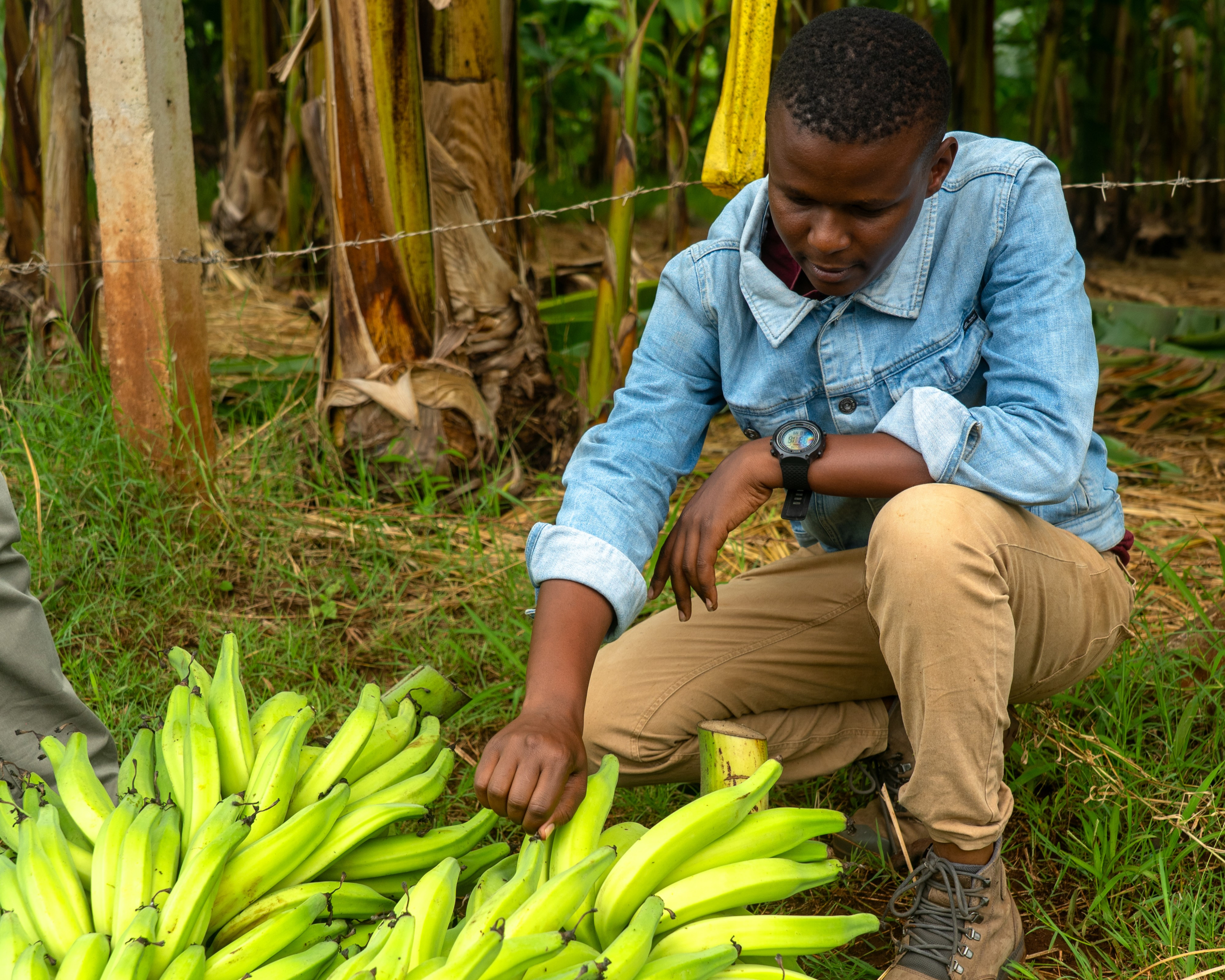
Le PPG vise des contraintes phytosanitaires bien documentées et économiquement significatives qui nuisent au commerce sûr des cultures à multiplication végétative, en particulier du manioc, de la banane et de la pomme de terre, dans toute l'Afrique de l'Est. Il s'appuie sur le RTB East Africa Germplasm Exchange Laboratory (RTB EAGEL), un laboratoire régional récemment mis en place par l'Institut international d'agriculture tropicale (IIAT), le Centre international de la pomme de terre (CIP) et le Service d'inspection phytosanitaire du Kenya (KEPHIS) pour renforcer les capacités phytosanitaires et faciliter la circulation sûre du matériel végétal de plantation. Le PPG a pour objet la réalisation d'une évaluation approfondie des principales contraintes à la production commerciale de matériel végétal de plantation sûr du point de vue phytosanitaire pour le manioc, la banane et la pomme de terre dans les quatre pays ciblés. Sur la base de cette évaluation, le PPG permettra d'examiner le futur rôle du RTB EAGEL, notamment la voie à suivre pour l'obtention de l'accréditation ISO/CEI 17025 pour les diagnostics de phytopathologie, d'identifier les multiplicateurs de semences prioritaires et les variétés les plus demandées, de mobiliser les parties prenantes dans le cadre d'un atelier régional de validation et d'appuyer l'élaboration d'une proposition de projet complète à soumettre au STDF ou à d'autres donateurs intéressés. Le PPG devrait permettre de générer la base de données factuelles et l'alignement des parties prenantes nécessaires à la conception d'une proposition de projet de grande qualité.
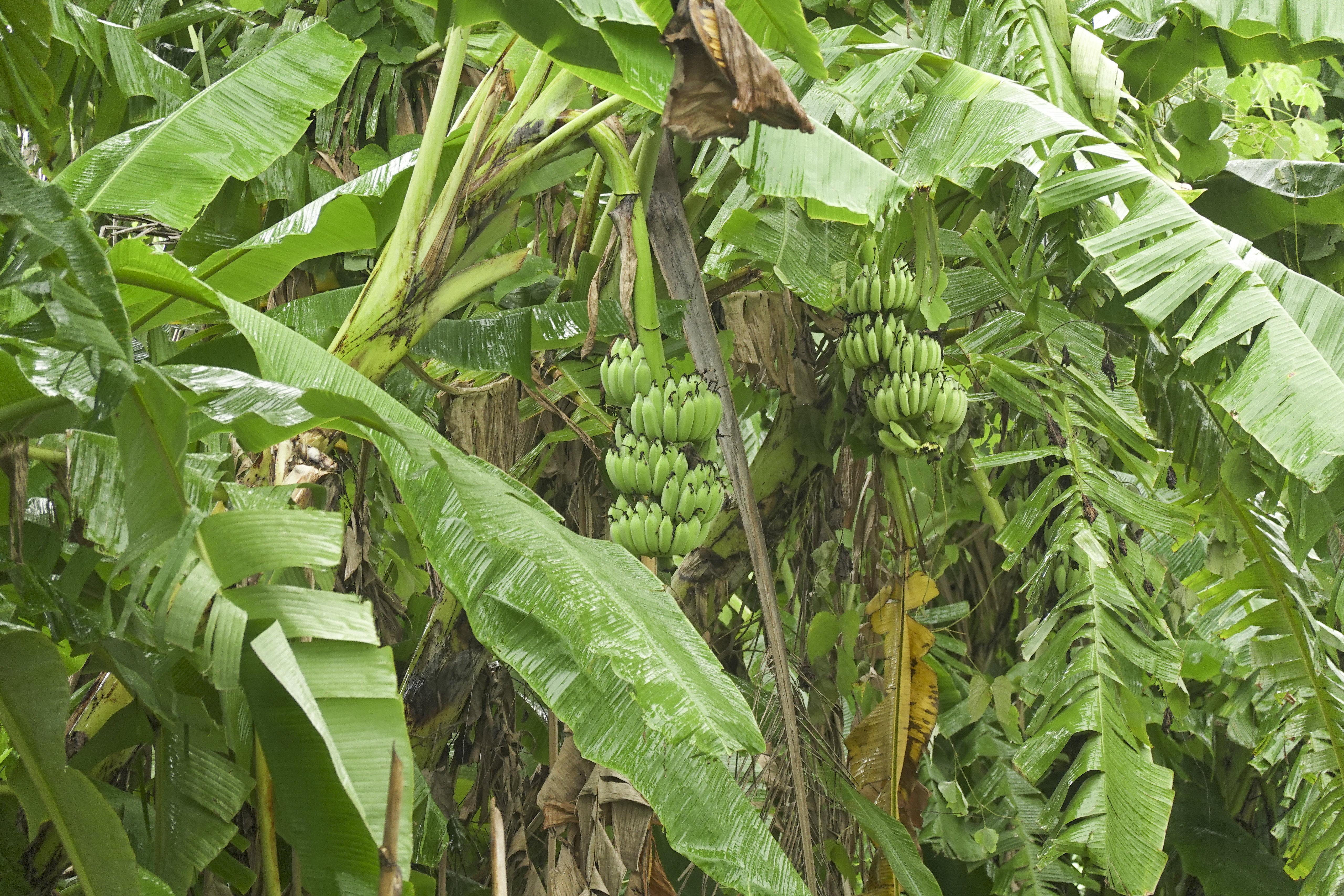
Le manioc, la banane et la pomme de terre comptent parmi les cultures vivrières et commerciales les plus importantes en Afrique de l'Est. Étant donné qu'ils sont multipliés dans la région par des boutures, des drageons et des tubercules plutôt que par des semences botaniques, des parasites et des maladies peuvent facilement se propager via le matériel végétal de plantation, tandis que l'échange informel transfrontières courant de semences augmente encore les risques phytosanitaires. La demande de matériel végétal de plantation amélioré continue de croître, et ces cultures devraient générer une valeur économique importante dans l'ensemble de l'Afrique subsaharienne au cours des prochaines décennies. Par exemple, l'Institut international de recherche sur les politiques alimentaires (IFPRI) prévoit que la nouvelle production de bananes plantain pourrait atteindre une valeur de 33 milliards d'USD et celle du manioc, 21 milliards d'USD. Toutefois, l'offre de matériel végétal de plantation conforme aux exigences phytosanitaires ne suit pas le rythme de la demande. L'offre de pommes de terre de semence certifiées ne satisfait actuellement qu'environ 4% de la demande régionale, tandis que l'insuffisance des capacités de diagnostic et la propagation continue des parasites et des maladies limitent la productivité, les échanges et l'accès aux marchés. Le renforcement des systèmes SPS contribuera donc à sécuriser la circulation du matériel végétal de plantation, tout en soutenant la sécurité alimentaire, les moyens de subsistance en milieu rural et le commerce régional.