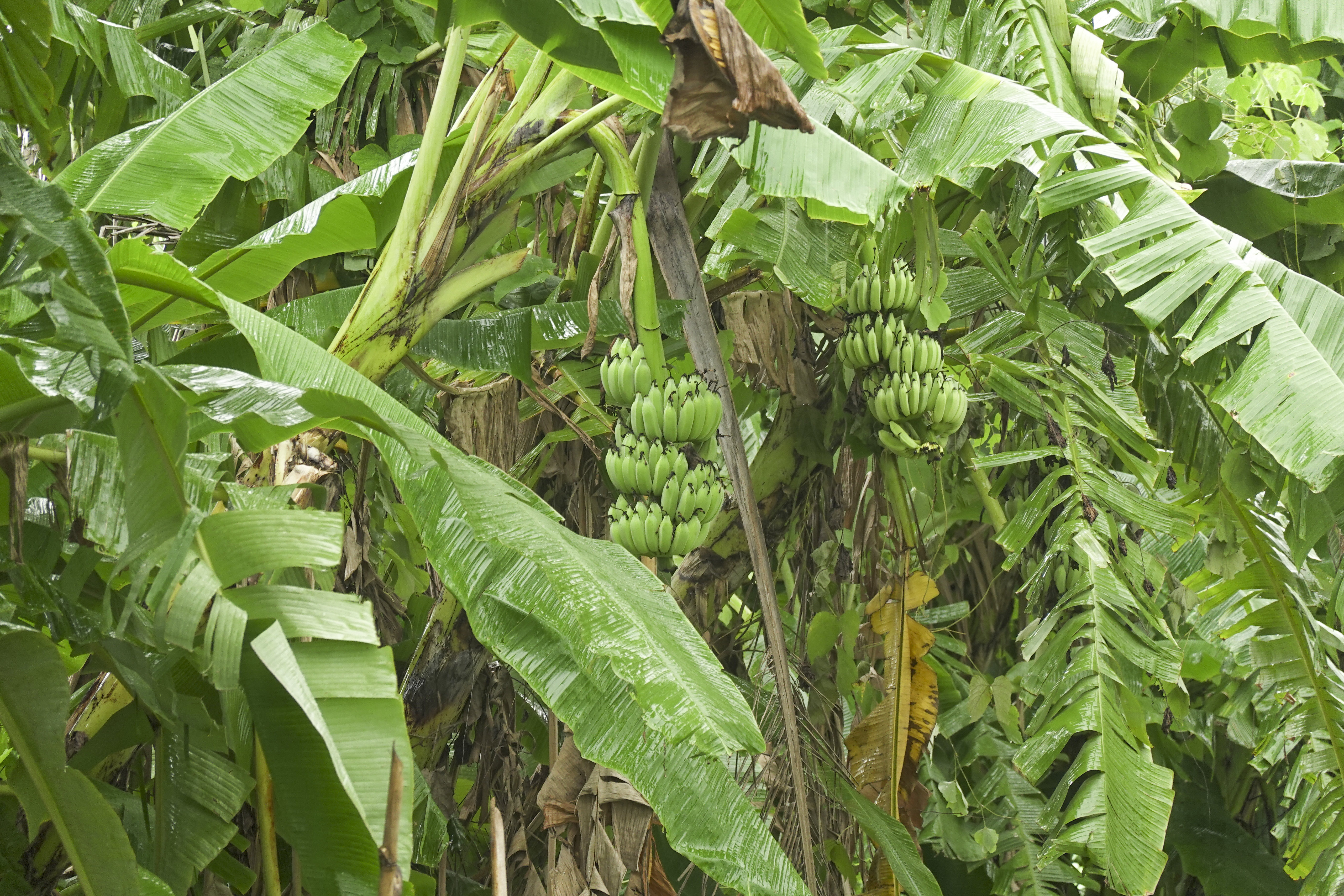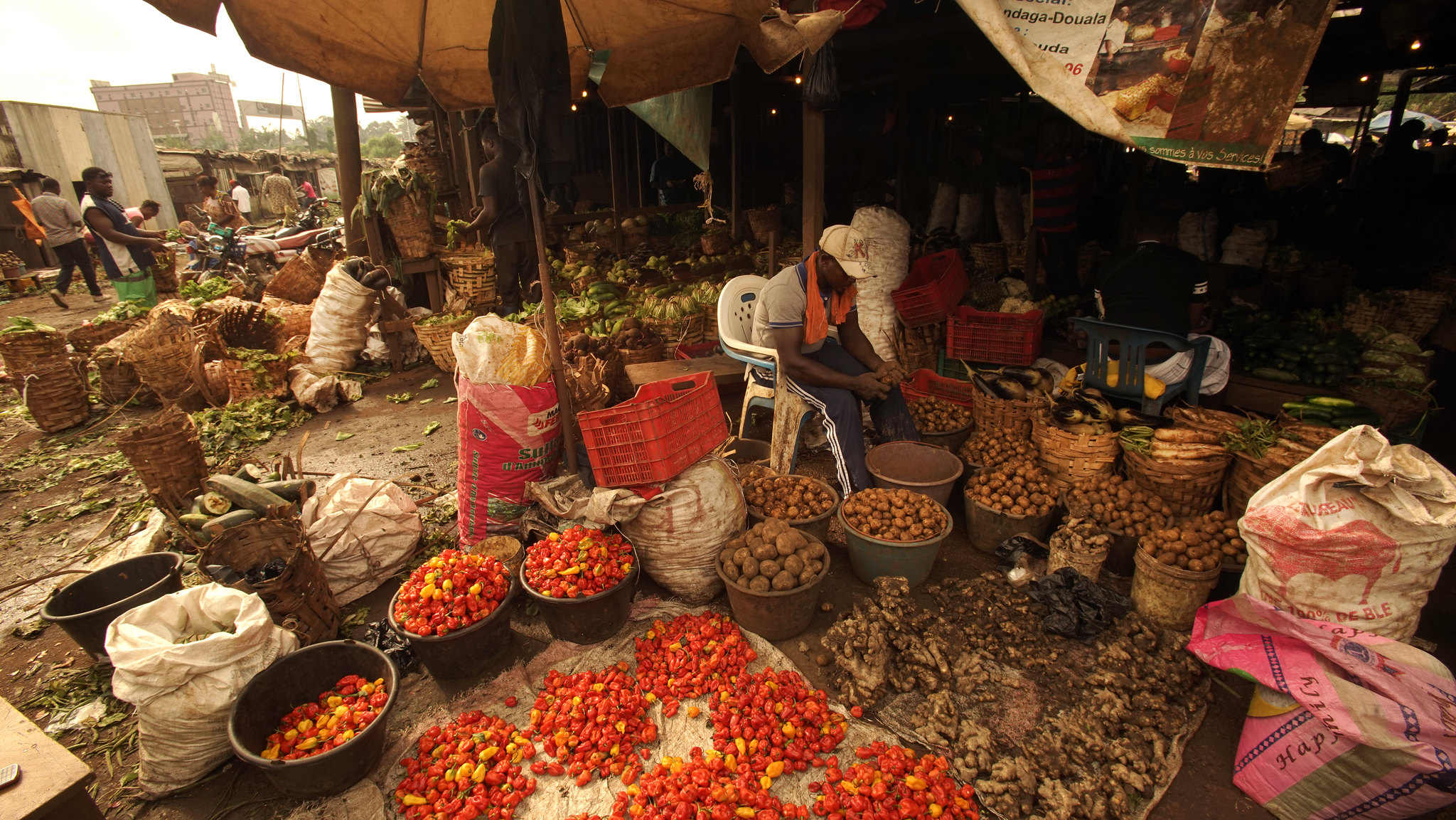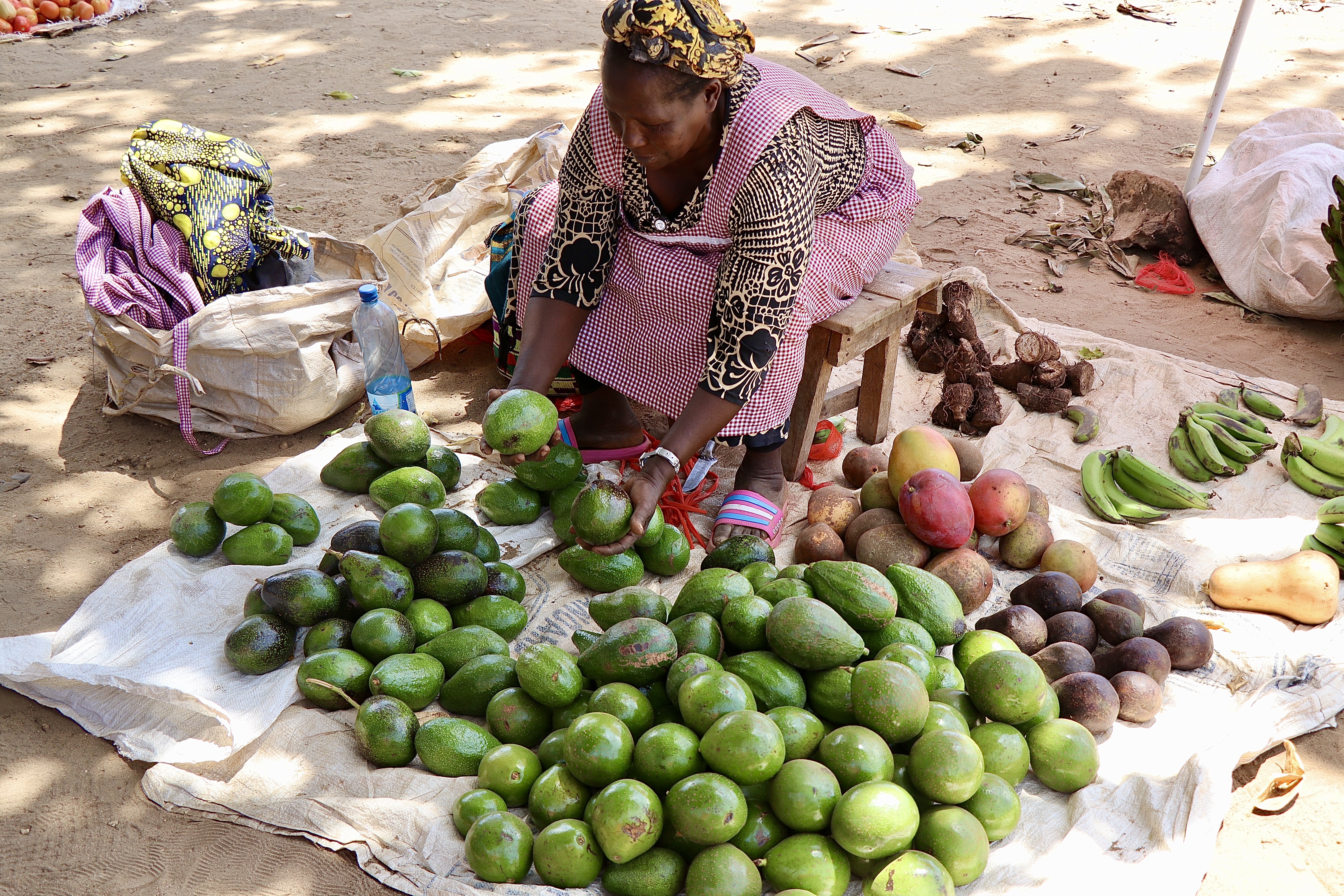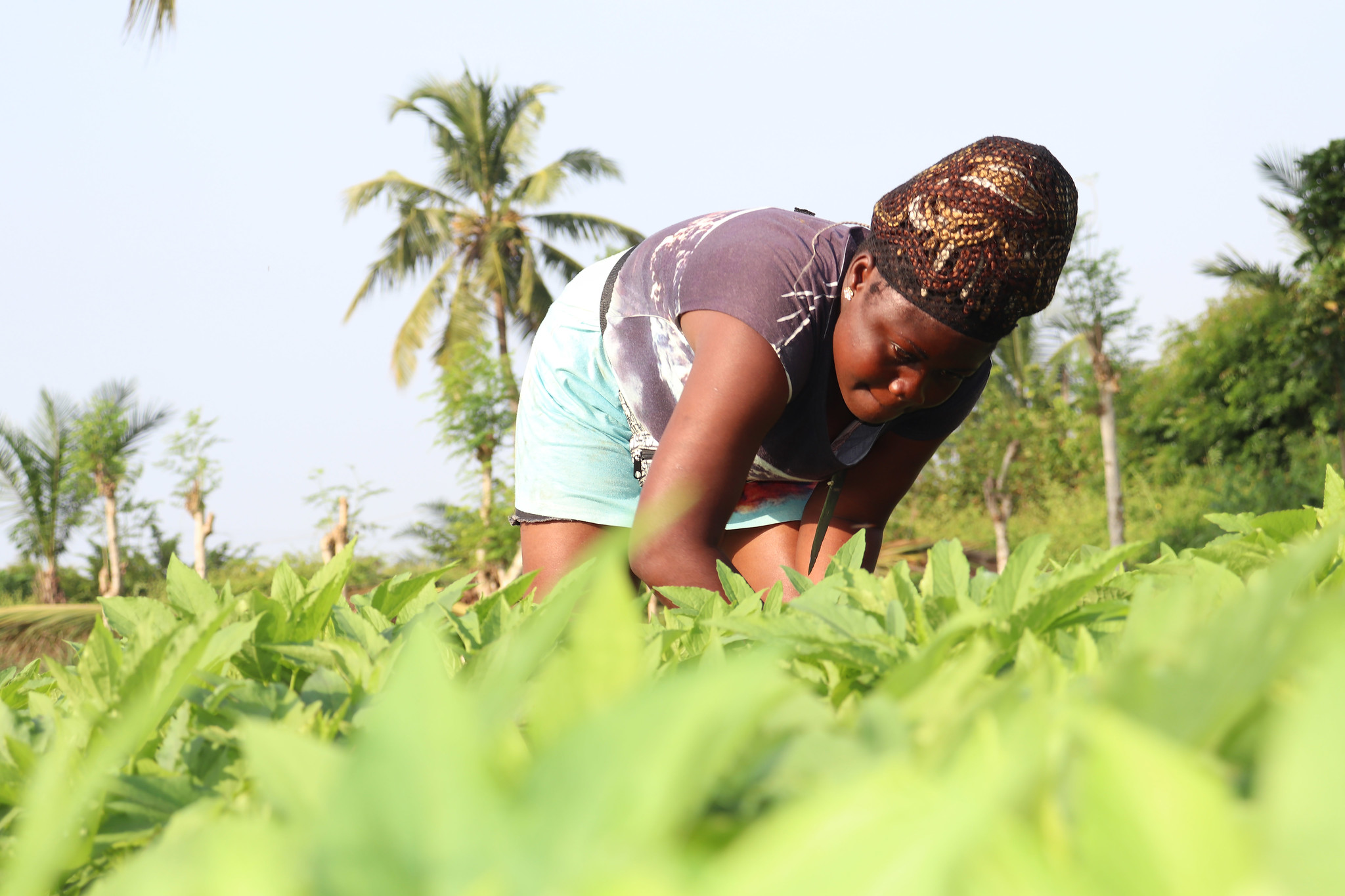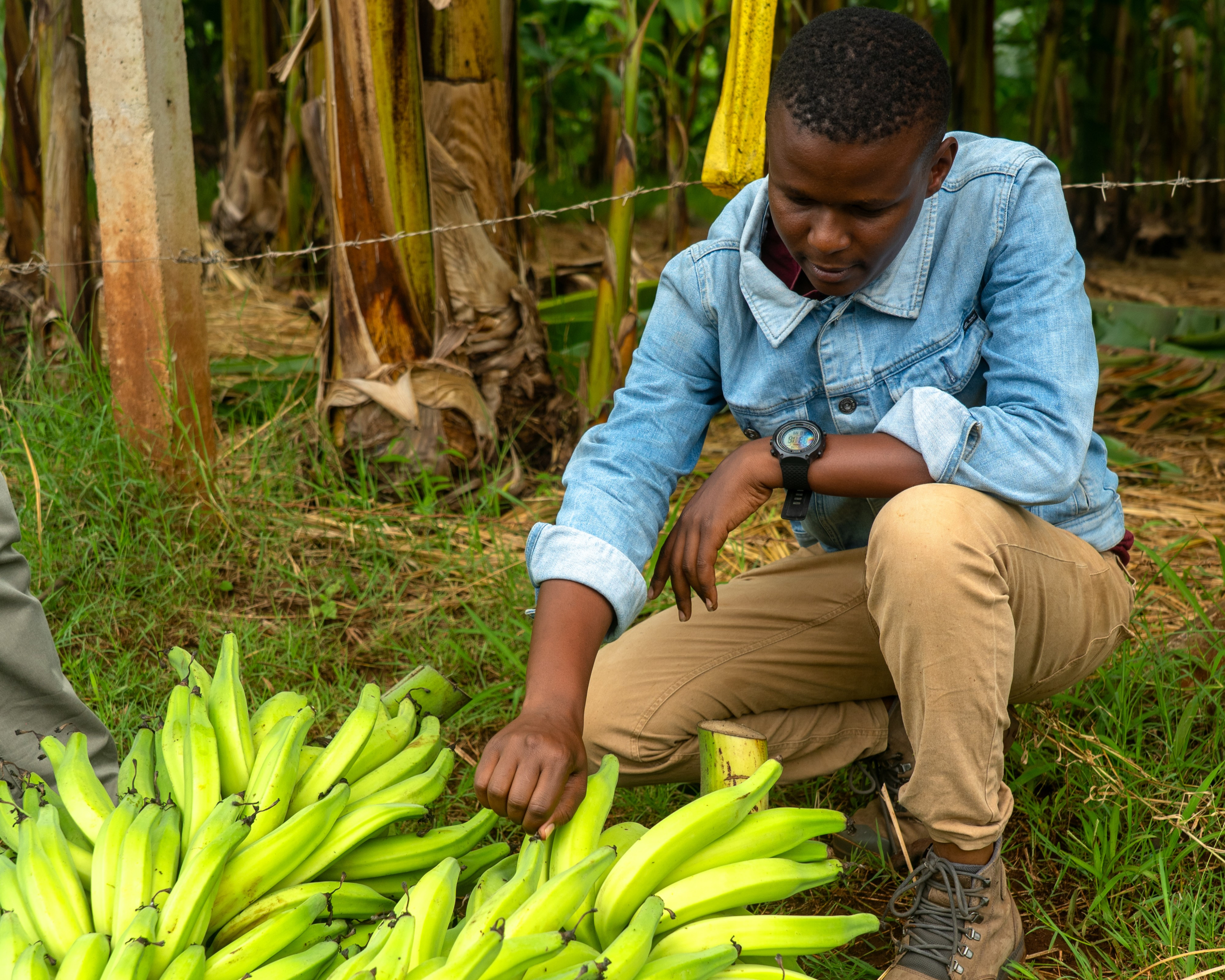
La PPG pretende dar respuesta a limitaciones fitosanitarias bien documentadas e importantes desde el punto de vista económico que afectan al comercio seguro de cultivos que se reproducen vegetativamente —en particular la mandioca (yuca), el banano y la papa (patata)— en África Oriental. Se basa en el recientemente establecido Laboratorio de Intercambio de Germoplasma de África Oriental-Raíces y tubérculos (RTB-EAGEL), una instalación regional desarrollada conjuntamente por el Instituto Internacional de Agricultura Tropical (IITA), el Centro Internacional de la Papa (CIP) y el Servicio de Inspección Fitosanitaria de Kenya (KEPHIS) para reforzar la capacidad fitosanitaria y facilitar la circulación segura de material vegetal de plantación. La finalidad de la PPG es realizar una evaluación exhaustiva de las principales restricciones a las que se enfrenta la producción comercial de material vegetal de plantación seguro desde el punto de vista fitosanitario para la mandioca (yuca), el banano y la papa (patata) en los cuatro países destinatarios. Sobre la base de esa evaluación, se valorará el papel futuro del RTB EAGEL, entre otras cosas la estrategia para lograr la acreditación ISO/IEC 17025 para los diagnósticos de patología vegetal, se tratará de identificar multiplicadores de semillas prioritarios y variedades altamente demandadas, de lograr la participación de las partes interesadas por medio de un taller de validación regional, y de respaldar el desarrollo de una propuesta completa de proyecto para presentarla al STDF y otros donantes interesados. Se espera que la PPG genere la base empírica y atraiga el apoyo de las partes interesadas para elaborar una propuesta de proyecto de alta calidad.
La mandioca (yuca), el banano y la papa (patata) son algunos de los cultivos más importantes de África Oriental desde el punto de vista de la seguridad alimentaria y el comercio. Esos cultivos se extienden en la región por medio de esquejes, chupones y tubérculos, en lugar de por medio de semillas, lo que hace que las plagas y enfermedades se puedan propagar fácilmente por medio del material vegetal de plantación. Además, el intercambio transfronterizo informal de semillas, muy extendido, incrementa los riesgos fitosanitarios. La demanda de material vegetal de plantación mejorado sigue creciendo, y se espera que esos cultivos generen un valor económico significativo en toda África Subsahariana en los próximos decenios. Por ejemplo, según las proyecciones del Instituto Internacional de Investigación sobre Políticas Alimentarias (IFPRI), el valor de la producción de nuevas variedades de banano podría alcanzar los USD 33.000 millones, y el valor de la de mandioca (yuca), los USD 21.000 millones. Sin embargo, el suministro de material vegetal de plantación seguro desde el punto de vista fitosanitario no logra cubrir la demanda. El suministro de semillas de patata (papa) certificadas solo cubre el 4% de la demanda regional, aproximadamente, mientras que la escasa capacidad de diagnóstico y la continua propagación de plagas y enfermedades limitan la productividad, el comercio y el acceso al mercado. El fortalecimiento de los sistemas sanitarios y fitosanitarios contribuirá por tanto a la circulación segura del material vegetal de plantación, además de respaldar la seguridad alimentaria, los medios de subsistencia de las zonas rurales y el comercio regional.