As climate change reshapes agricultural production and trade, sanitary and phytosanitary (SPS) systems play a pivotal role in helping countries build resilience, safeguard health and access market opportunities. Experiences from projects supported by the Standards and Trade Development Facility (STDF) show that strengthening food safety, animal and plant health to facilitate trade can also generate win-win benefits for the environment, climate resilience and biodiversity conservation.
"The STDF has been a pioneer in looking at the connections between SPS issues and environment mainstreaming from as early as 2012."
David Boyer, STDF External Assessment (2022)
Recognizing the close interlinkages between SPS systems and the environment, the STDF has developed an Environment Action Plan to integrate environmental considerations across its work where possible and relevant.
Environmental win-win: reducing environmental risks while enhancing trade
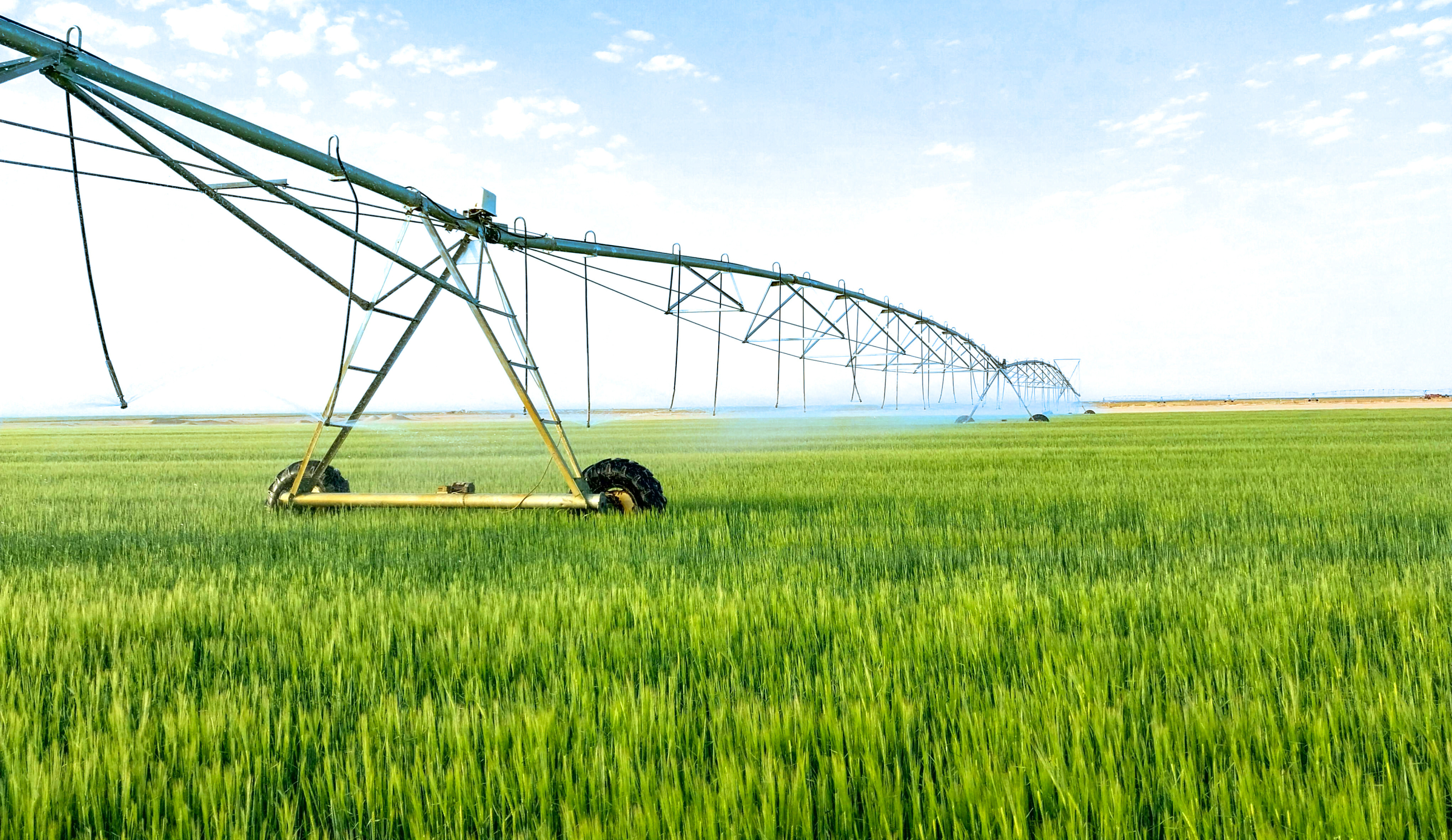
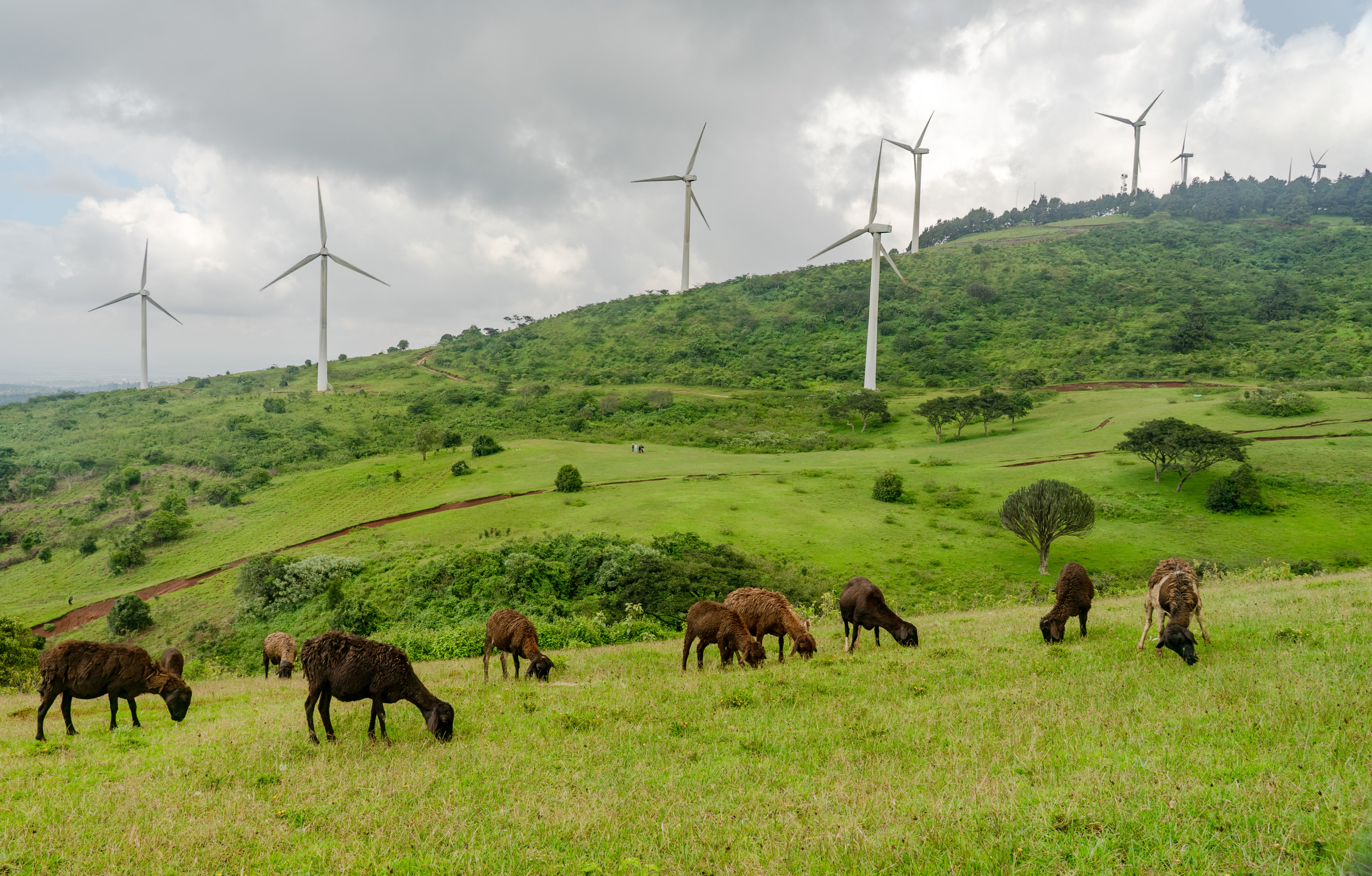
In many developing countries, farmers face a triple challenge: meeting SPS requirements to ensure market access, while adjusting to changing pest and disease pressures exacerbated by climate change and seeking to reduce the environmental impacts associated with agricultural practices.
"Farmers want safer alternatives and new-generation, lower-risk products. But they also need to be able to use conventional plant protection products aligned with international Codex standards, when necessary, to protect against serious pests and avoid catastrophic losses."
H.E. Dacio Castillo, Ambassador and Permanent Representative of Honduras to the WTO
Innovative STDF-supported initiatives in Africa, Asia, and Latin America have demonstrated how this trade-off can be addressed. Projects promoting the use of biopesticides and improved pest management practices enabled farmers to reduce their reliance on chemicals while enhancing compliance with Codex Maximum Residue Limits (MRLs).
In Asia, field studies on selected crops grown by millions of small-scale farmers showed that combining biopesticides at the end of the production cycle with conventional plant protection products reduced pesticide residue levels by up to 50%. Based on the findings, governments have taken action to improve dialogue with the private sector and strengthen policies and biopesticide regulations. This is supporting wider adoption across the region and helping farmers meet export requirements, while transitioning towards increased use of more environmentally friendly alternatives.
Beyond benefits on the farm, these initiatives strengthened cooperation across diverse public and private sector stakeholders within and across regions, including with not-for-profit industry associations like CropLife that represent leading global manufacturers of pesticides, biopesticides, seeds and biotechnology products. Partnerships between government authorities responsible for agriculture, health, trade and the environment, alongside regional organizations and industry, supported more coherent and coordinated approaches to harmonize regulations and reduce trade costs.
"A key stumbling block to reducing over-reliance on synthetic chemical pesticides in many countries in Southern Africa is the lack of effective policy frameworks to promote the inclusion of sustainable solutions, such as biopesticides, in pest control programmes. This STDF-funded project played a significant role in supporting the development of such policy frameworks at both regional and country level.”
Kenneth Chipere, Principal Research Officer, Ministry of Agriculture, Mechanization and Irrigation Development, Zimbabwe
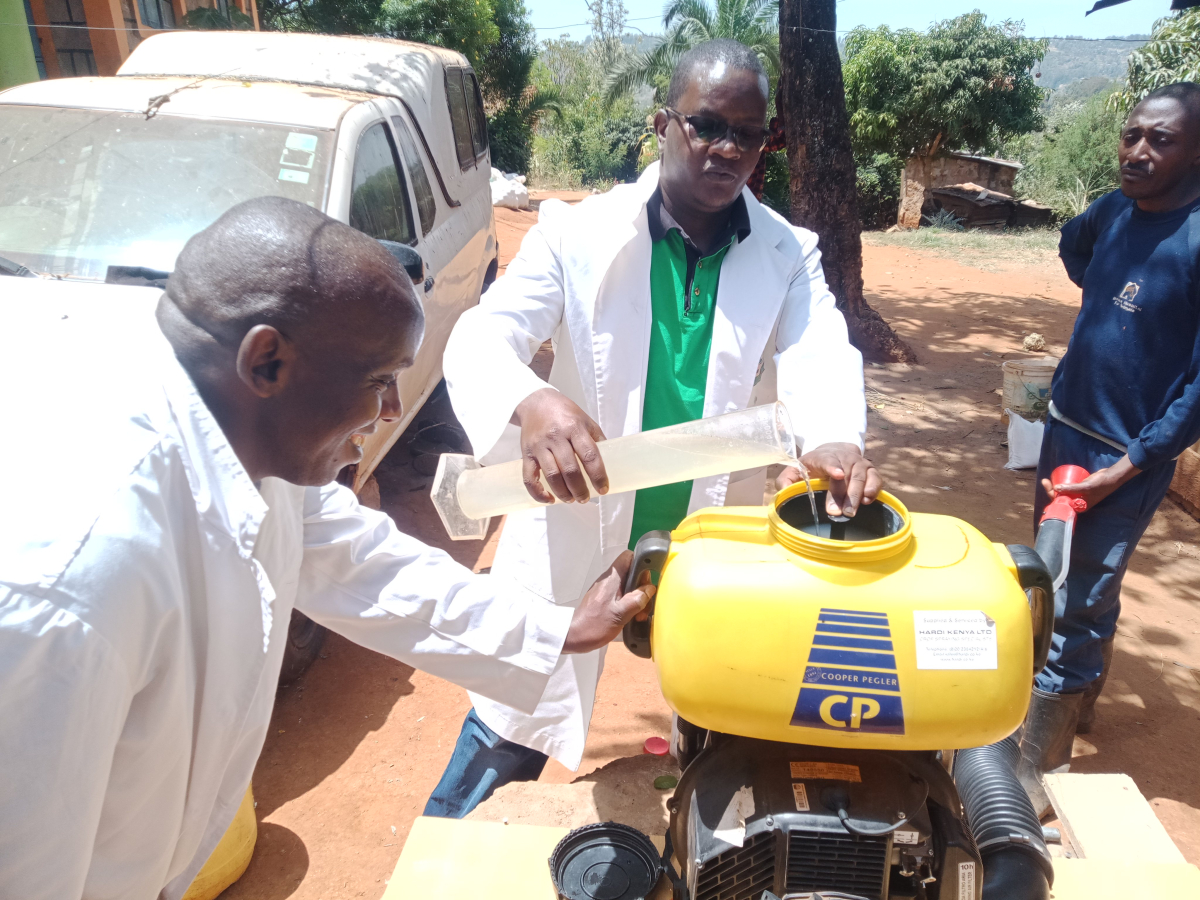
In Southern Africa, the STDF project resulted in harmonized guidelines for registration of biopesticides and biological control agents, which were adopted in 2025 by all 16 member states of the Southern Africa Development Community. In addition to streamlining regulations across the region, which cuts trade costs for the private sector, this has encouraged wider adoption of sustainable pest management.
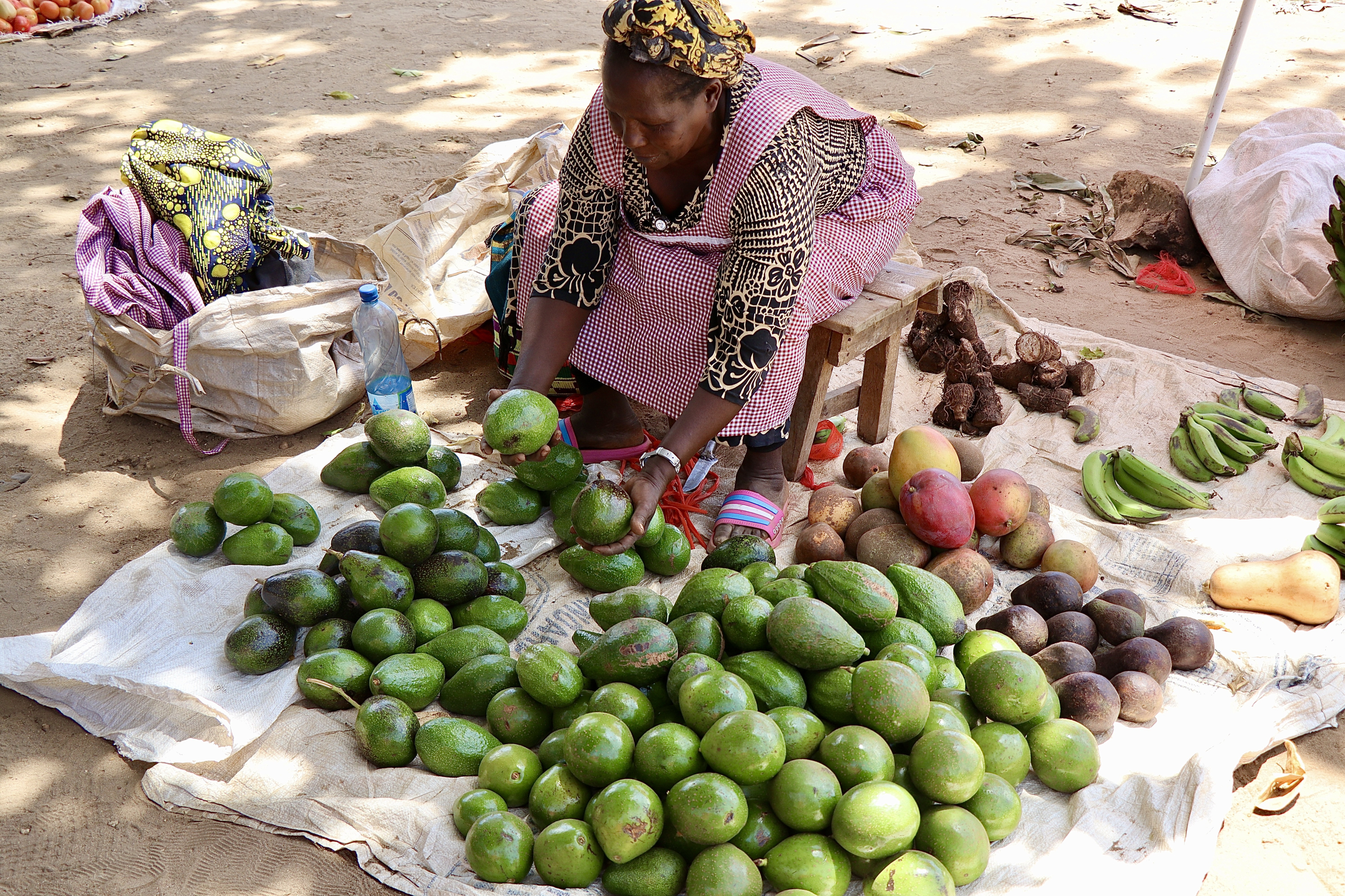
Farmers in developing countries have also faced challenges in accessing markets when there are no internationally recognized MRLs for their tropical crops like avocado or mango. Generating the data to establish MRLs is costly, which can discourage investment in newer, lower-risk pesticides for specialty crops that are minor users of pesticides on a global scale. STDF projects across Africa, Southeast Asia and Latin America helped bridge this gap by supporting the development of Codex MRLs for newer, lower-risk pesticides for crops like avocado, banana, mango and other tropical fruits widely grown in developing countries, enabling farmers to access newer plant protection tools and meet export requirements.
“STDF's regional projects in Africa, Asia, and Latin America facilitated the registration of low-risk pesticides for products like avocado and mango. This led to the adoption of new plant protection tools that increased mean farm income for growers in the target countries by about 20%. As an outgrowth of these successes, the Minor Use Foundation was created in 2018."
Anna Gore, Minor Use Foundation
Digital innovations are also significantly reducing the environmental footprint of global agricultural trade. One example is the IPPC ePhyto Solution, which replaces paper-based certification with electronic documentation and reduces paper use, courier transport and unnecessary travel by traders and officials, while streamlining certification processes.
Work by the Global Alliance for Trade Facilitation (GATF) has shown that each electronic phytosanitary certificate reduces emissions by an average of 8.4 kg of CO₂ equivalent. While the emissions reduction for a single transaction may appear modest, the cumulative effect is substantial. Globally, the adoption of the ePhyto system has already avoided more than 64,000 tonnes of CO₂ emissions, equivalent to the carbon absorption capacity of nearly 3 million trees1.
Together, these initiatives show how strengthening SPS capacity based on international standards can support environmental sustainability while helping farmers and exporters compete in global markets.
Building climate-resilient value chains
Climate variability is increasingly affecting agricultural production systems, exacerbating risks related to pests, contamination and post-harvest losses. As highlighted in the STDF Briefing Note, strengthening resilience is therefore essential to ensure both food security and sustained participation in international trade.
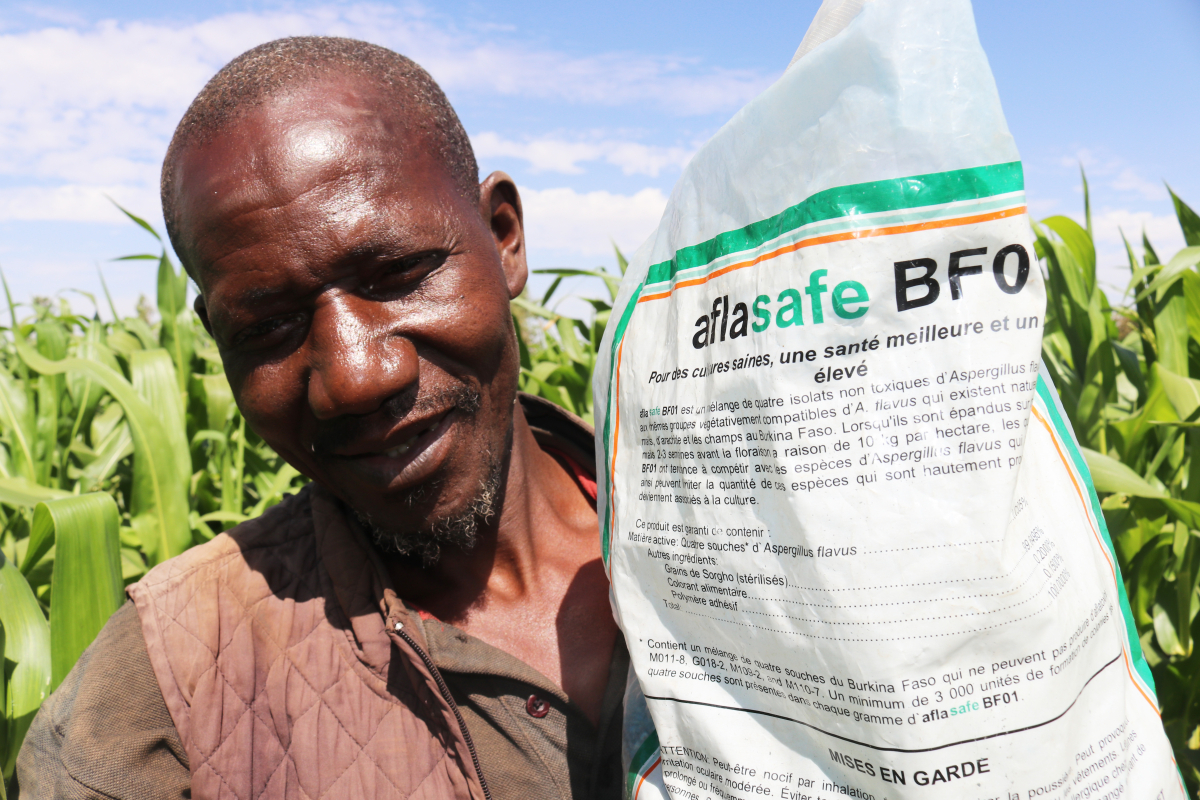
One example comes from Burkina Faso, where an STDF project addressed the widespread problem of aflatoxin contamination in maize, which negatively affects both human health and trade. As temperatures rise and weather patterns become more variable, the risk of aflatoxin contamination increases, highlighting the importance of effective SPS systems to manage food safety risks and maintain market access. By introducing new tools (Aflasafe) and improved agricultural practices, the project enabled farmers to better manage risks across the value chain, from production to storage. As a result, aflatoxin contamination fell by 75%, contributing to a 31% increase in maize exports between 2018 and 2021, and substantial gains for farmers' livelihoods.
Protecting biodiversity and ecosystems through plant health
Trade creates opportunities for farmers and exporters, but it can also provide pathways for plant pests and invasive species to spread across borders, threatening ecosystems, biodiversity and agricultural production. Effective plant health systems are therefore critical both for facilitating safe trade and protecting ecosystems and biodiversity. The International Plant Protection Convention (IPPC) estimates that invasive alien species generated global economic costs of approximately US$423 billion in 20192 , underscoring the scale of their environmental and economic impacts. STDF projects in Guinea, Togo, Senegal and Ethiopia have helped countries better prevent the entry and spread of harmful organisms by improving border inspections, updating regulated pest lists and promoting integrated pest management.
In Mozambique and South Africa, an STDF project addressed the challenge of invasive fruit fly species, which were threatening horticultural production and limiting export opportunities. Through a coordinated public-private partnership, the project established Pest-Free Areas (PFAs) and Areas of Low Pest Prevalence (ALPP), supported by surveillance systems, digital tools and regional cooperation. These efforts enabled producers to meet strict import requirements, leading to a 260% increase in avocado exports in Mozambique between 2020 and 2023 and opening new export markets. At the same time, they helped reduce pest risks and protect agricultural biodiversity across the region.
"The project was highlighted as a first in terms of its approach, establishing PFAs and ALPPs over such a wide region… The evidence suggests a positive correlation in terms of retained market access through defining low-risk areas for fruit trade, notably to main markets such as the EU, which have strict regulations related to the targeted pests."
Project Economics Consulting, External Evaluation
Another STDF project supported implementation of the International Standard for Phytosanitary Measure on wood packaging material (ISPM 15) in Africa, helping reduce the risk of spreading wood-borne pests that threaten forests and biodiversity through international trade.
In Niue, an STDF Project Preparation Grant supported the establishment of a disease-free honeybee sanctuary, allowing local producers to expand honey production and access new export markets, while increasing incomes for smallholders. At the same time, it contributed to the conservation of honeybee biodiversity and the protection of pollination services that are critical for ecosystem health. The initiative also created opportunities to restore bee populations in other Pacific Islands affected by pests and diseases, supporting regional resilience. The initiative shows how targeted SPS interventions can support sustainable livelihoods while conserving biodiversity and strengthening the ecosystems on which agriculture depends.
Safe trade, sustainable outcomes
Across these diverse projects, one message is clear: SPS systems can deliver benefits that extend well beyond facilitating safe trade. Integrating environmental sustainability, climate resilience and biodiversity considerations into SPS systems can create lasting gains for producers, ecosystems and economies.
From introducing more innovative approaches to address pesticide challenges, tackle aflatoxin contamination and prevent the spread of invasive species, STDF-supported projects show that safe trade and environmental sustainability can go hand in hand.
As climate change and environmental pressures intensify, further identifying and scaling these innovations is more important than ever to facilitate safe trade and benefit the planet. Through partnerships, innovation and knowledge sharing, STDF will continue to support countries in building trade systems that are not only safer, but also more resilient and sustainable.
Find out more:
Environment Mainstreaming Action Plan 2025-2030
External Learning Assessment, 2024: Environment, Biodiversity & Climate Change
Briefing Note, 2023: Strengthening SPS systems to mitigate and adapt to climate change
CropLife International–STDF event on the margins of the WTO SPS Committee, March 2026
Policy Brief, 2024: Promoting the Use of Biopesticides for Safe Trade and Environment in Asia
Featured STDF projects:
Biopesticides: Southern Africa – International Centre for Genetic Engineering and Biotechnology (ICGEB); Asia – Asia-Pacific Association of Agricultural Research Institutions (APAARI); Latin America – Inter-American Institute for Cooperation on Agriculture (IICA).
Pesticide MRLs: Africa – African Union Interafrican Bureau for Animal Resources (AU-IBAR); Southeast Asia – Association of Southeast Asian Nations (ASEAN); Latin America – IICA.
Other projects: ePhyto – FAO; Burkina Faso – EIF National Implementation Unit; Guinea and Togo – Europe-Africa-Caribbean-Pacific Liaison Committee (COLEACP); Senegal – Committee Linking Entrepreneurship-Agriculture-Development (COLEAD); Ethiopia – FAO; Southern Africa fruit fly – Agricultural Research Council-Tropical and Subtropical Crops (ARC-TSC); ISPM 15 – International Institute of Social Studies (ISS), Erasmus University Rotterdam; Pacific apiculture – AsureQuality Limited.