Pour un exportateur, la modification des prescriptions applicables à un produit sur un marché étranger, par exemple celles relatives à la sécurité sanitaire des produits alimentaires, à l'étiquetage ou aux essais, peut entraîner un ajustement de la production, la mise en place d'une nouvelle certification ou de nouveaux emballages. Si ces changements ne sont pas identifiés à temps, l'exportateur risque des retards, des coûts additionnels, voire le rejet d'envois à la frontière.

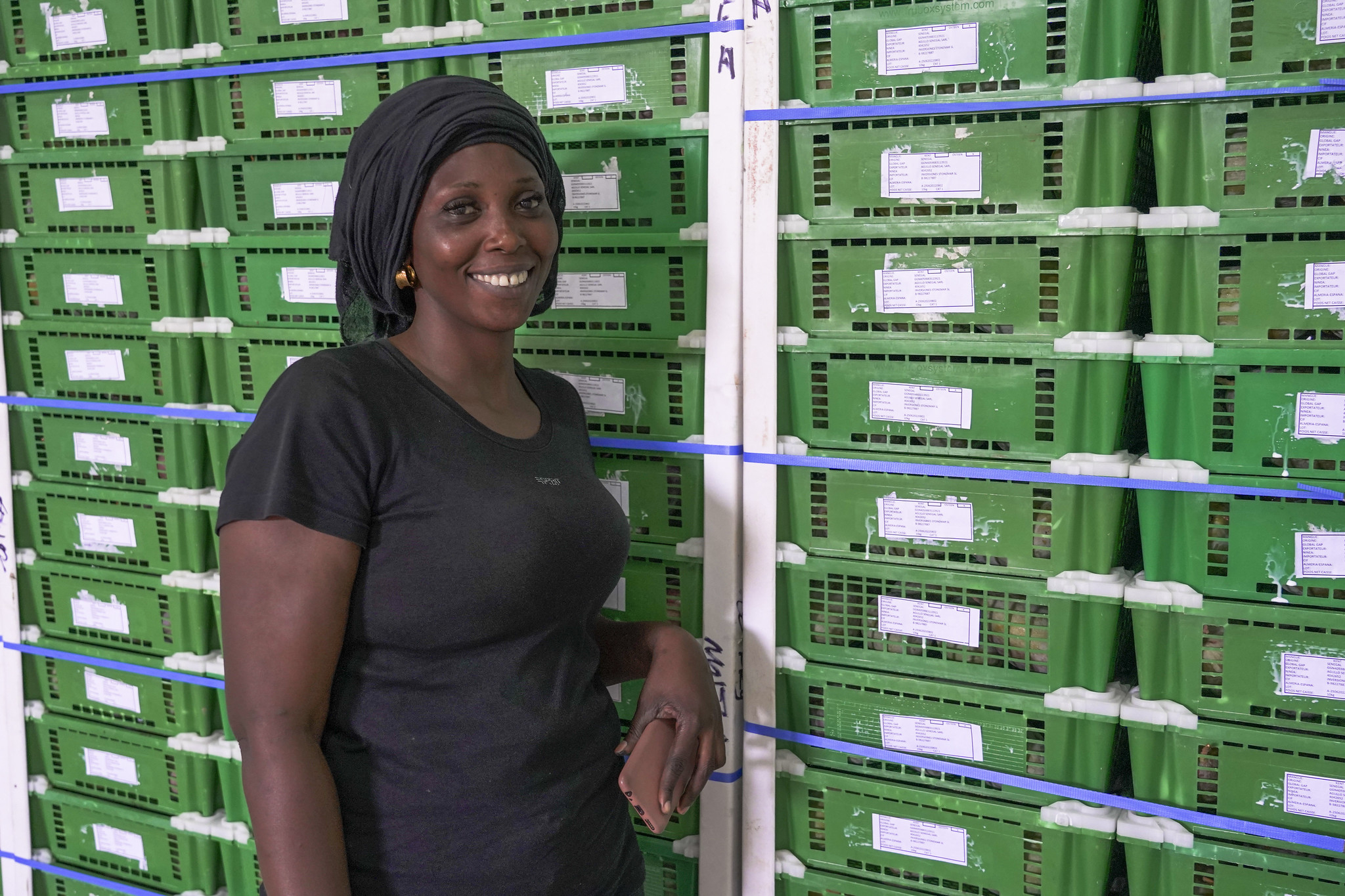
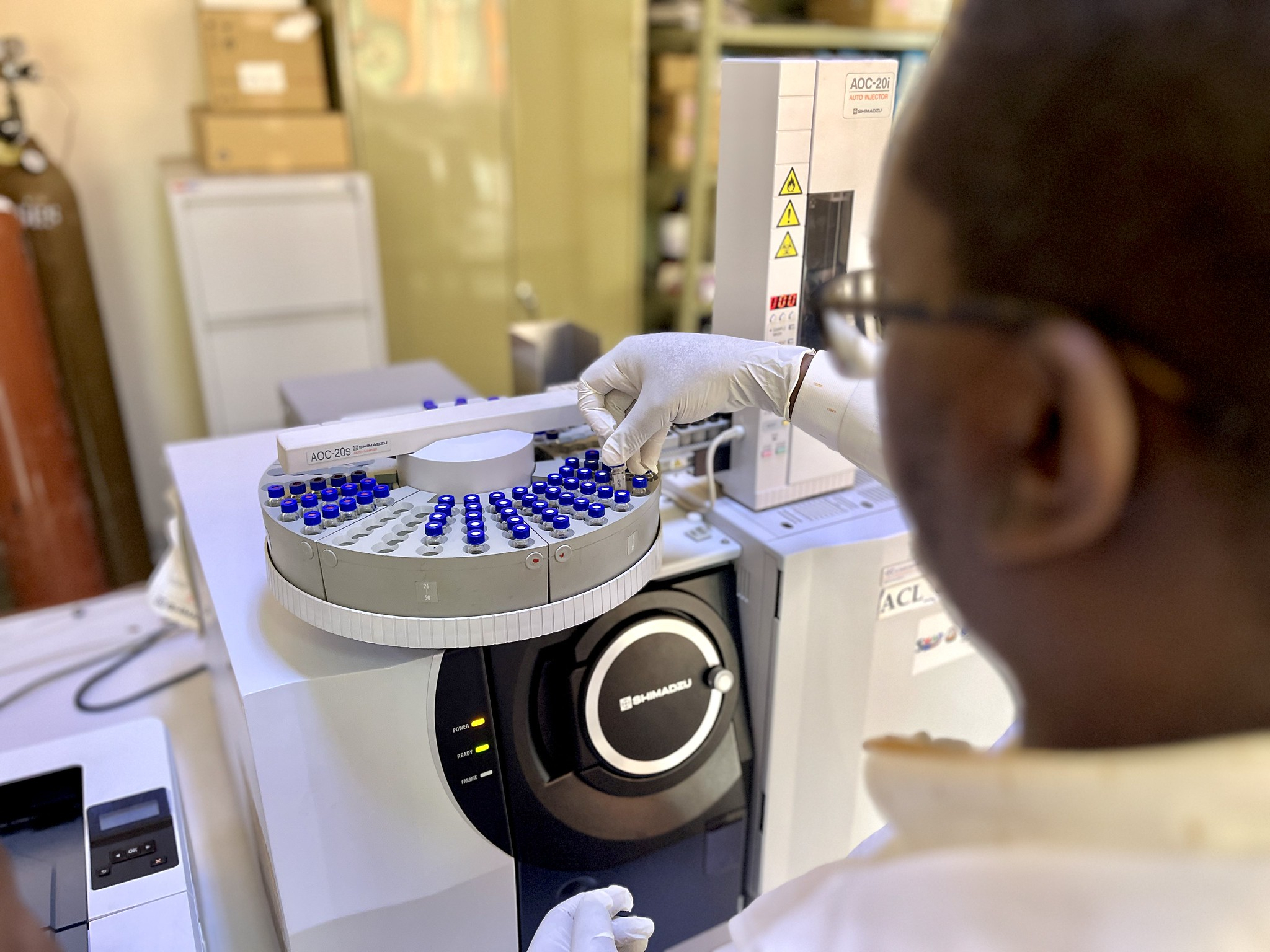
Chaque année, les Membres de l'OMC notifient plus de 7 000 prescriptions nouvelles ou modifiées relatives aux mesures sanitaires et phytosanitaires (SPS) et aux obstacles techniques au commerce (OTC), qui couvrent un large éventail de sujets allant des règles en matière de sécurité sanitaire des produits alimentaires, d'étiquetage ou d'emballage aux procédures d'essai, d'inspection, de certification et d'échantillonnage. Il est donc primordial de faire en sorte que les pouvoirs publics, les entreprises et les autres parties prenantes aient connaissance de ces changements le plus tôt possible, et qu'ils soient en mesure d'y répondre, pour permettre un commerce sûr et inclusif.
La plate-forme ePing SPS et OTC est conçue pour répondre à cette nécessité: elle facilite l'accès aux renseignements sur les changements réglementaires à venir et donne la possibilité aux parties prenantes de dialoguer avec les décideurs avant que de nouvelles prescriptions ne prennent effet.
Les moyens de convertir cette transparence en un meilleur accès aux marchés ont été au cœur d'une séance du Forum public de l'OMC tenue le 16 septembre 2026. La séance, qui s'appuyait sur un projet régional du STDF portant sur ePing, a mis en lumière les solutions qui aident les gouvernements et les entreprises à anticiper les changements réglementaires, à contribuer aux mesures projetées et à s'adapter aux nouvelles prescriptions.
Animée par Daniel Lim, de la délégation de Singapour auprès de l'OMC, l'activité a rassemblé des représentants gouvernementaux, des acteurs du secteur privé et des partenaires régionaux et internationaux autour d'un message commun: les renseignements à eux seuls ne suffisent pas. La transparence est efficace lorsque les renseignements pertinents parviennent aux personnes concernées assez tôt pour que celles ci puissent en tenir compte, lorsque les pouvoirs publics et les entreprises ont la possibilité d'ouvrir un dialogue et lorsque les pays disposent de l'infrastructure qualité appropriée pour agir en conséquence.
Passer de l'information à l'action
L'outil ePing est une plate forme en ligne qui rassemble des renseignements sur les mesures SPS et OTC. Cet outil élaboré par l'OMC, l'ITC et le DESA permet aux Membres de l'OMC de notifier les prescriptions relatives aux produits nouvelles ou modifiées avant leur introduction. Les parties prenantes du secteur public et du secteur privé peuvent ensuite suivre ces notifications, se renseigner sur les modifications réglementaires pertinentes à venir et dialoguer avec les partenaires commerciaux alors que les nouvelles prescriptions sont encore à l'étude. Les gouvernements et les entreprises disposent ainsi d'un délai précieux pour poser des questions, formuler des observations et se préparer à satisfaire aux nouvelles prescriptions avant qu'elles ne prennent effet. En permettant l'accès en temps utile aux nouveautés réglementaires et le dialogue à l'échelle mondiale à leur sujet, ePing contribue à réduire les coûts et les frictions commerciales et à faciliter un commerce sûr.
Comme indiqué dans le Guide sur les bonnes pratiques réglementaires publié par le STDF, la transparence des mesures et de la réglementation dans le domaine SPS aide à bâtir la confiance et la prévisibilité et à garantir que les micro, petites et moyennes entreprises (MPME) et les autres acteurs de la chaîne de valeur peuvent pleinement tirer parti des opportunités commerciales.
Un projet régional triennal du STDF s'intéresse actuellement à l'application dans la pratique en Afrique du Sud, au Kenya, en Namibie, en Ouganda et en Tanzanie. Le projet réunit des parties prenantes publiques et privées pour promouvoir l'utilisation d'ePing, comprendre les besoins des utilisateurs et examiner la manière dont la plate forme peut faciliter leurs exportations. Les enseignements tirés du projet éclaireront les améliorations techniques apportées à ePing et les efforts déployés pour accroître son utilisation à l'échelle mondiale.
Le projet peut compter sur des synergies avec les travaux en cours des partenaires internationaux. Par exemple, Mme Maryla Maliszewska, Économiste senior pour le Groupe de la Banque mondiale, a expliqué que les renseignements SPS et OTC pouvaient être utilisés pour étudier les différentes approches réglementaires, conseiller les gouvernements et analyser les conditions auxquelles les exportateurs sont confrontés sur les différents marchés. On étudie actuellement des méthodes utilisant l'IA qui pourraient aider à combler les lacunes en matière d'information et à donner une idée plus détaillée des prescriptions réglementaires affectant les exportations, en particulier les exportations des économies en développement vers les marchés à revenu élevé.
Le bon renseignement au bon destinataire
L'accès aux renseignements n'est que la première étape. Étant donné que les notifications se chiffrent en milliers chaque année, les pays ont besoin de systèmes nationaux et régionaux efficaces pour identifier les changements qui concernent leurs échanges, faire parvenir ces renseignements aux parties prenantes intéressées et coordonner une réponse. Lorsque les changements sont repérés suffisamment tôt, les parties prenantes peuvent formuler des observations sur les projets de règlements, se préparer aux nouvelles prescriptions et réduire le risque que les expéditions soient retardées ou rejetées pour cause de non conformité.
M. Livhuwani Godfrey Radzilani, du Département de l'agriculture de l'Afrique du Sud, a noté que dans un contexte de complexité réglementaire croissante, les alertes quotidiennes d'ePing étaient essentielles pour donner aux exportateurs le temps de s'adapter aux nouvelles prescriptions et pour moderniser l'infrastructure qualité. Il a également attiré l'attention sur les difficultés de coordination auxquelles étaient confrontées l'Afrique du Sud et d'autres économies en développement. Désormais, un bureau de coordination en matière SPS aide à suivre les notifications disponibles sur ePing, à évaluer leur pertinence pour le commerce sud africain et à faire parvenir les renseignements aux parties prenantes concernées.
"La communication et la coordination entre les organismes gouvernementaux compétents et avec le secteur privé sont un facteur clé de la capacité de l'Afrique du Sud à dialoguer et à répondre aux nouvelles notifications", a expliqué M. Radzilani.
Mme Flavia Busingye, Directrice des questions douanières et commerciales du Secrétariat de la CAE, a donné des exemples de la manière dont les renseignements sur l'évolution des prescriptions relatives aux produits peuvent circuler du niveau régional vers les autorités nationales et jusqu'aux agriculteurs. Dans certains cas, des délais supplémentaires ont ainsi pu être demandés pour la mise en conformité et les agriculteurs ont été en mesure d'adapter leurs pratiques, ce qui a permis de maintenir les flux commerciaux.
"Les renseignements communiqués à un stade précoce sont précieux parce qu'ils permettent d'agir en conséquence. Nous devons continuer à sensibiliser le secteur privé afin que les entreprises prennent conscience qu'elles ont accès à ces renseignements et qu'elles s'en servent de manière proactive pour planifier leurs exportations et se préparer à l'évolution des exigences du marché", a dit Mme Busingye.

Permettre aux entreprises de s'exprimer avant l'entrée en vigueur de la réglementation
La transparence offre aussi aux entreprises la possibilité de contribuer aux processus réglementaires pendant l'élaboration des mesures.
S'appuyant sur des exemples de réussite dans différentes régions, Mme Elizabeth Yepes, Directrice principale des questions réglementaires mondiales de l'International Council of Beverages Associations, a indiqué que la plate forme ePing était un canal important par lequel la branche de production pouvait fournir des connaissance techniques, des preuves scientifiques et des données d'expérience sur d'autres marchés pendant que les mesures proposées sont encore à l'étude.
"La réussite ne tient pas à l'obtention par la branche de production de toutes les modifications qu'elle pourrait demander pour un règlement. Ce qui importe, c'est qu'elle ait la possibilité de dialoguer de manière transparente avec les gouvernements, de fournir des données probantes et de voir son expérience prise en considération", a-t-elle dit.
Le STDF encourage depuis longtemps l'amélioration du dialogue et de la coordination entre les secteurs public et privé. Il a ainsi consigné des enseignements pratiques sur la manière de renforcer les partenariats public privé en vue d'améliorer les systèmes SPS dans son Guide des PPP et dans des récits d'expérience de PPP. Dans l'ensemble des projets du STDF, l'expérience montre que le fait de rapprocher les organismes gouvernementaux, les entreprises, les producteurs et les autres acteurs de la chaîne de valeur renforce la confiance, établit une compréhension commune des difficultés et des priorités SPS et génère des solutions plus efficaces et durables pour un commerce sûr.
La discussion tenue au Forum public met en évidence une conclusion simple: la transparence a une valeur maximale quand l'information donne lieu à une action. Lorsque les gouvernements et les entreprises ont connaissance des changements de réglementation suffisamment tôt, ils ont plus de temps pour échanger des données probantes, adapter les processus de production et de mise en conformité, dialoguer avec les organismes de réglementation et se préparer aux nouvelles prescriptions à l'exportation. Cela est extrêmement important, en particulier pour les petites entreprises des pays en développement.
Pour en savoir plus: