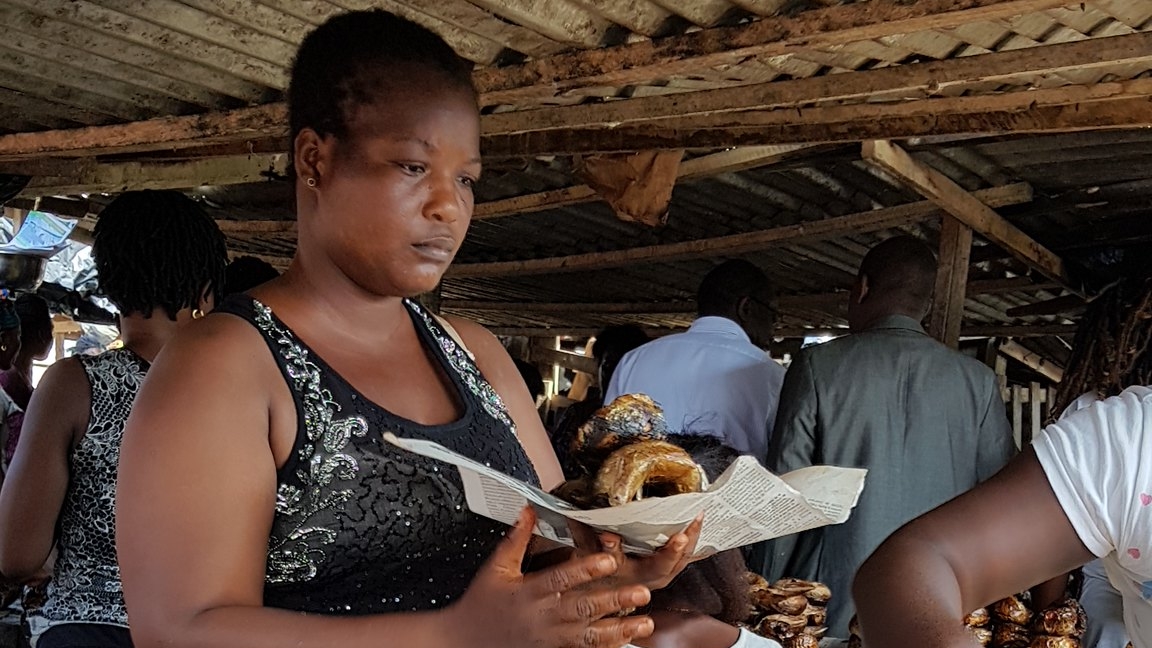
This STDF project aimed to improve the safety of smoked fish in Mali by reducing contamination from polycyclic aromatic hydrocarbons (PAHs) and pesticides through the adoption of Codex Alimentarius standards and codes of practice. More specifically, it sought to enhance the safety of smoked fish by encouraging stakeholders in the sector to adopt safer processing practices. Building on Codex Alimentarius standards and codes of practice, the project promoted the use of improved smoking ovens, strengthened national analytical capacities, and supported the establishment of policy and regulatory frameworks to support and modernize the sector.
Fishing is the third-largest economic activity in rural areas of Mali, after agriculture and livestock farming. It generates over 285,000 jobs, primarily held by women and young people, and provides between 80,000 and 100,000 tonnes of fish per year. Smoked fish, widely consumed in the country, plays a crucial role in food security and the local economy.
Nevertheless, analyses have revealed concerning levels of PAHs and pesticide residues in smoked fish from traditional markets due to inadequate processing practices. This STDF project was designed to strengthen food safety and support market access through safer practices and improved sector governance.
Improved economic performance
- Smoked fish exports increased from 1,030 tonnes in 2020 to 1,504 tonnes in 2022.
- The selling price more than doubled for products processed using improved smoking ovens, reaching 7,250 CFAF /kg in 2024 compared with 3,437 CFAF /kg – 4,000 CFAF /kg between 2020 and 2023.
- Job creation in the sector: The number of jobs in the smoked fish sector has fluctuated over the years:
– 2020: 197,000 jobs (59,100 men, 137,900 women)
– 2021: 115,000 jobs (34,500 men, 80,500 women)
– 2022: 106,833 jobs (32,050 men, 74,783 women)
– 2023: 140,000 jobs (42,000 men, 98,000 women)
Reduction of health risks
- The adoption of new indirect smoking ovens has significantly reduced PAH levels in smoked fish.
- All of the women processors reached by the project have discontinued the use of chemical preservatives and now use compliant food packaging.
Technical capacity building
- More than 600 laboratory analyses on samples of fresh and smoked fish were conducted thanks to the refurbishment of equipment at the national reference laboratory, the Central Veterinary Laboratory (LCV/LTCQE).
- The Food Technology Laboratory received additional equipment to support research.
Community ownership and skills development. - Fourteen improved ovens, named "Sabu Manian" ovens by the stakeholders, were distributed to communities of women processors, along with reproducible educational materials to facilitate the sustainable transfer of skills.
- A training-of-trainers programme enabled 539 local participants to be trained, with indirect knowledge transfer reaching over 1,000 people.
- Taste and sensory evaluation tests confirmed the superior safety and quality of fish smoked using the improved ovens, with a 91% satisfaction rate among tasters.
Support for national policies
- A national strategy for managing PAH and pesticide risks was developed through a participatory process and officially ratified in March 2025.
- A multi-stakeholder coordination framework was established to oversee reform actions and ensure continuous monitoring within the sector.
Increased visibility and promotion of safe products - An integrated promotion strategy helped raise the profile of the “Sabu Manian” oven and the products resulting from its use.
- Eighteen promotional tools were developed, including 15 demonstration improved ovens, a business plan, and audiovisual materials.
- Demonstrations were organized at fairs, in the broadcast media and at public events to strengthen acceptance of the products.